 Rowing Machine Nerd
The Best Rowing Machine Mats (and How to Choose One)
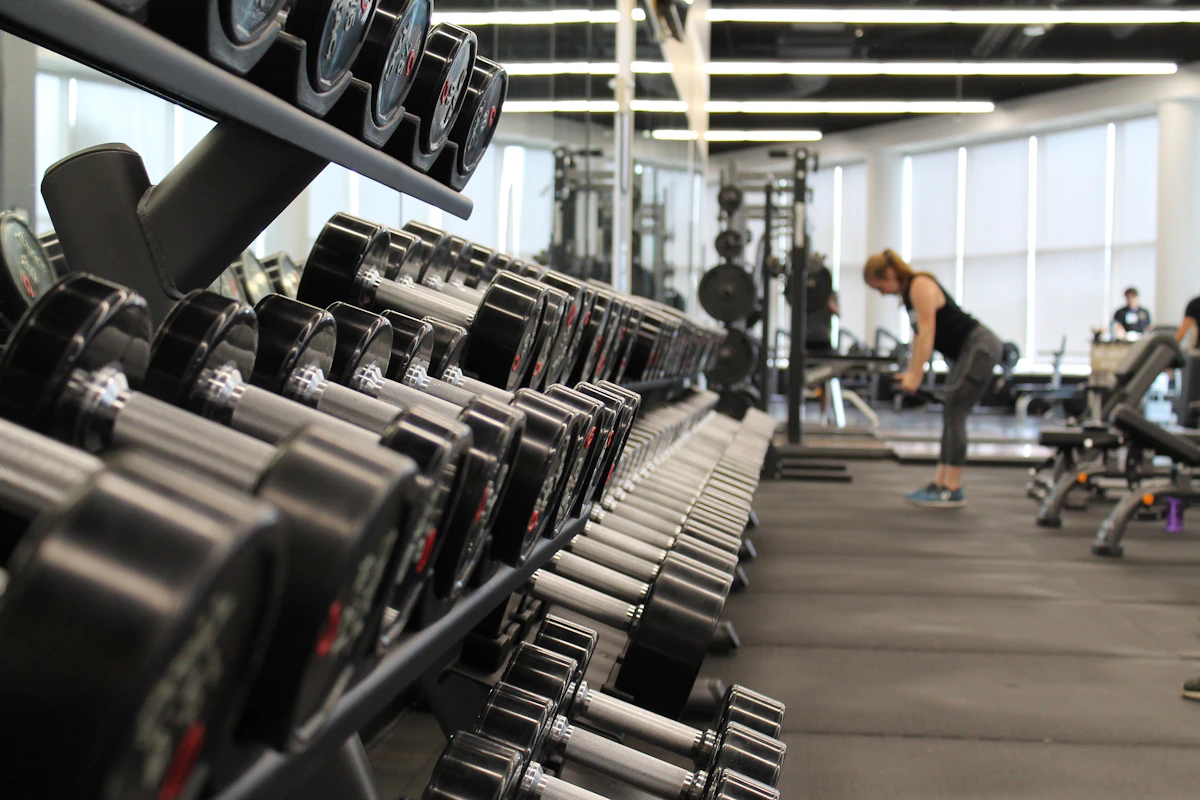
A mat is the one rowing accessory almost everyone should buy. It protects your floor from the machine and from sweat, stops the rower creeping across the room during hard pieces, and noticeably cuts the noise and vibration that travels through the floor - which matters a lot if you're rowing in an apartment or above someone. It's cheap insurance for both your floor and your machine.
Our picks
High-density rubber equipment mat (6–8mm)
A dense rubber gym mat is the sweet spot - grippy enough to stop the machine creeping, tough enough to shrug off years of use and sweat, and easy to wipe clean. Brands like SuperMats and BalanceFrom make rower-length versions. Get one long enough to sit under the whole machine.
Best for: Most people, on most floors.
Thick rubber mat (8–12mm)
On concrete, tile, or in an apartment above neighbours, a thicker high-density rubber mat absorbs more vibration and damps the sound of the seat and flywheel. Stick to dense rubber rather than soft foam, which can feel unstable under load.
Best for: Garages, concrete floors, and shared buildings.
Interlocking EVA foam tiles
Cheap, light, and modular - lay as many tiles as you need to cover the full footprint, and add more later. They protect floors and cut noise for lighter use, though they compress faster than rubber and can shift over time.
Best for: A low-cost setup, or carpet/soft-flooring protection.
The thing most people get wrong: size
A rower is long - a Concept2 occupies roughly an 8-foot footprint in use - so a standard square gym mat won't cut it. Aim for a mat that extends 15–20cm beyond the machine on all sides, which for most rowers means around 240–300cm long and 90–120cm wide. The mat needs to cover the full length the seat travels, not just sit under the flywheel.
What to look for
- Material: high-density rubber or PVC is best - grippy, durable, and easy to clean. Foam tiles are a cheaper, lighter alternative for lighter use.
- Thickness: 6mm+ is fine for most; step up to 8–12mm on concrete, uneven floors, or for daily training. Dense beats thick-and-soft, which can feel unstable.
- Non-slip: look for "non-slip" or "anti-skid" so the machine stays put during intense rowing.
- Easy to wipe: it will collect sweat and dust, so water-resistant materials you can wipe down win.
Do you actually need one?
On a carpet or a hard floor you don't mind scuffing, you can technically skip it - but a mat pays for itself in protected flooring, a machine that doesn't wander, and quieter sessions. If quiet is your priority, pair the mat with a quiet machine type - see our guides to the best quiet rowers and best rowers for small spaces.
Frequently asked questions
- What size mat do I need for a rowing machine?
- Big enough to extend 15-20cm beyond the machine on all sides - for most rowers that's around 240-300cm long and 90-120cm wide. A rower's footprint is long (about 8 feet), so a standard square gym mat is too small.
- Do I really need a mat under my rowing machine?
- It's not essential, but it's cheap insurance: it protects your floor from the machine and sweat, stops the rower creeping during hard pieces, and noticeably cuts noise and vibration - especially valuable in apartments.
- What's the best material for a rowing machine mat?
- High-density rubber or PVC is best - grippy, durable, and easy to wipe clean. Aim for 6mm+ thickness, or 8-12mm on concrete or for daily use. Interlocking foam tiles are a cheaper, lighter alternative for lighter use.

Jordan Lockwood (BSc, CPT)
Certified personal trainer (CPT), sports-science graduate, and lifelong rower. Jordan writes and reviews every guide on Rowing Machine Nerd.