 Rowing Machine Nerd
Concept2 Model D vs Model E: Which RowErg Should You Buy?
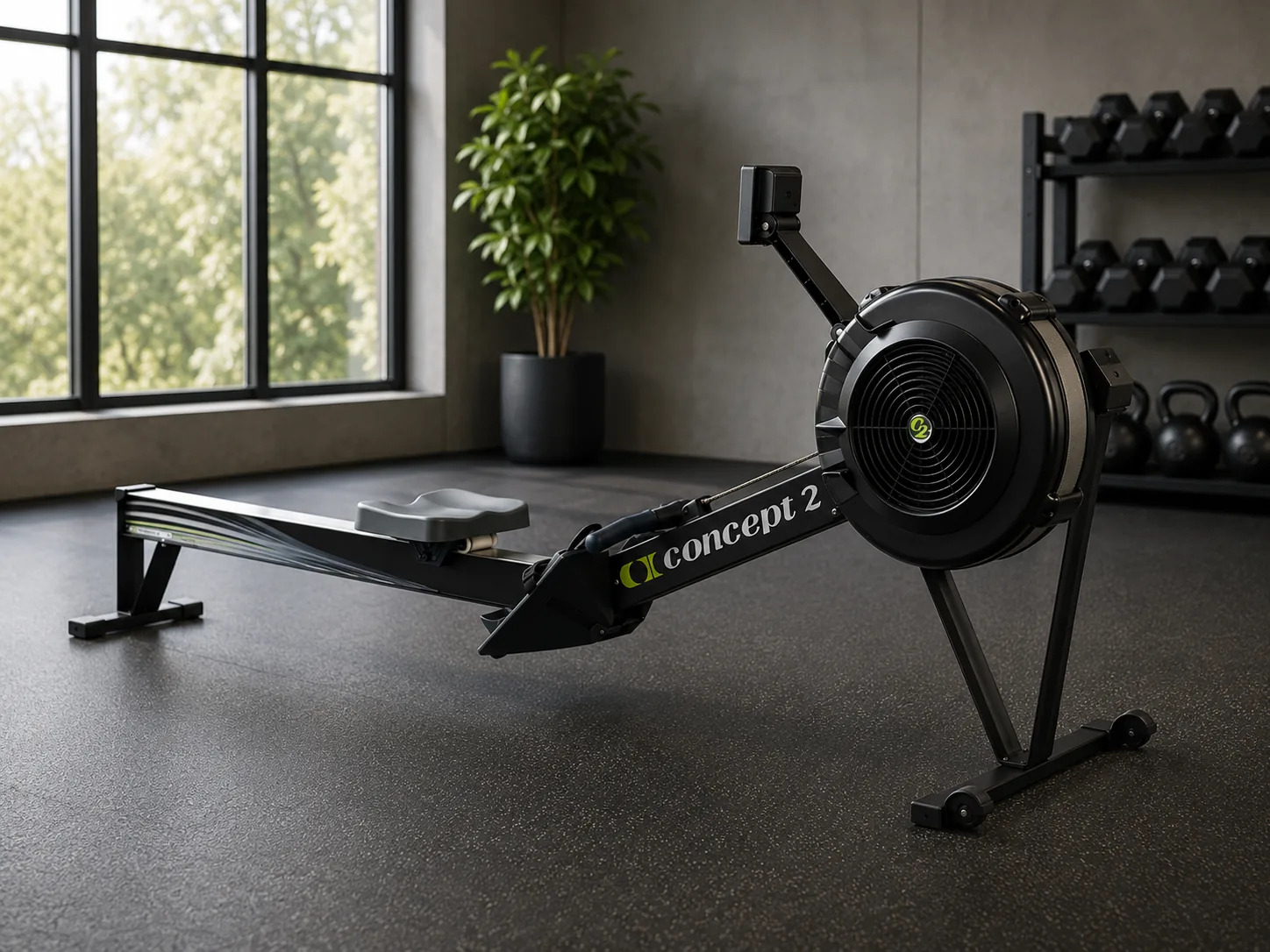
This is the comparison most Concept2 buyers actually agonise over - not Concept2 versus a rival, but Model D versus Model E. Both are now sold under the RowErg name, and here's the headline that should frame everything: they give you the exact same workout. Identical PM5 monitor, identical flywheel, identical air resistance, identical durability and data. You do not get a better row by spending more on the E.
So the decision comes down to one ergonomic difference and what it's worth to you. Let's break down where they actually diverge.
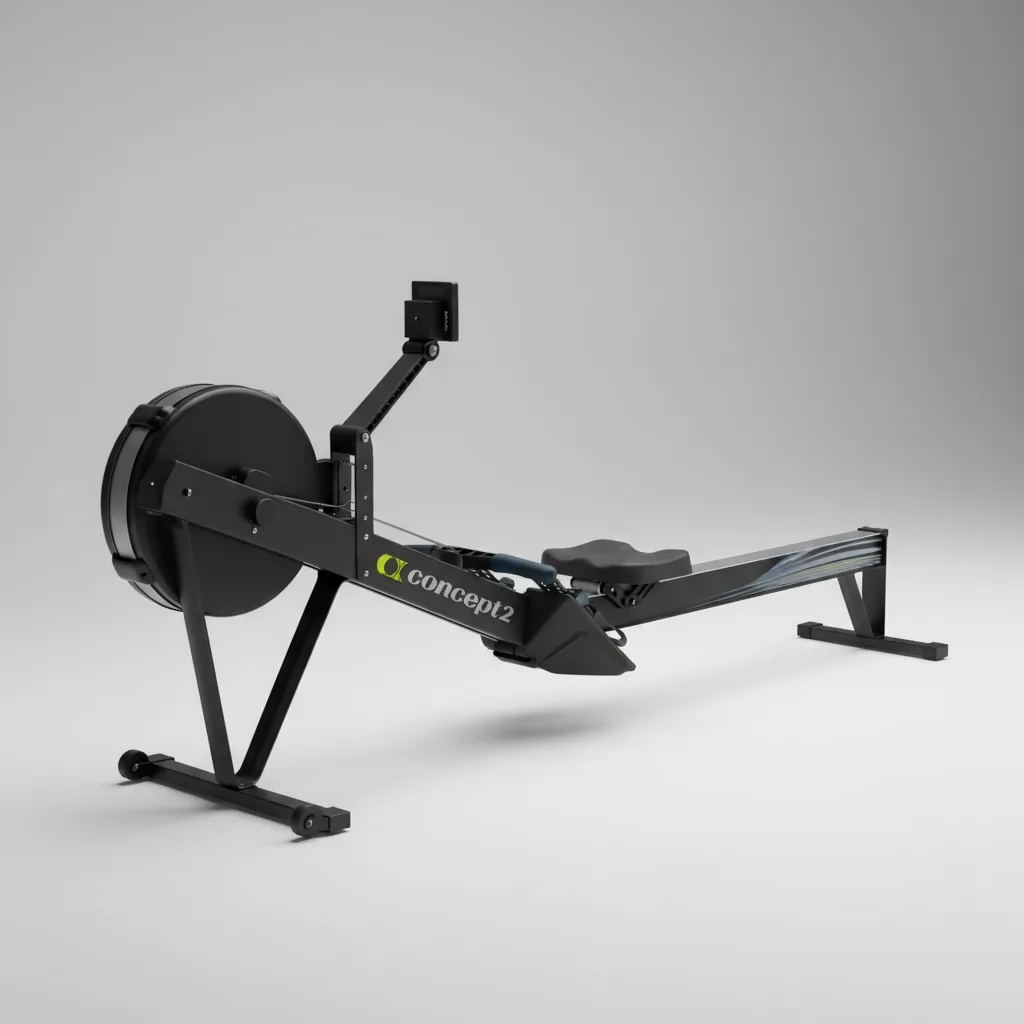
Verdict: The better buy for most people - default here unless you need the higher seat.
Concept2 Model D vs Concept2 Model E: at a glance
| Concept2 Model D | Concept2 Model E | |
|---|---|---|
| Our rating | 4.8/5 | 4.4/5 |
| Price | ~$990 | ~$1,200 |
| Resistance | Air (spiral damper, 10 settings) | Air (flywheel, damper 1-10) |
| Monitor / screen | PM5 (backlit; Bluetooth & ANT+; USB) | PM5 Performance Monitor, backlit |
| Connectivity | ErgData + 40+ compatible apps | Bluetooth Smart + ANT+, USB workout storage |
| Max user weight | 500 lb (227 kg) | 500 lb (227 kg) |
| Footprint / size | 96" × 24" (244 × 61 cm) | 96 in L x 24 in W |
| Storage | Separates into two parts; front casters | Separates into two pieces without tools |
| Warranty | 5-yr frame / 2-yr parts & monitor | 5-year frame, 2-year parts |
Full Concept2 Model D review Full Concept2 Model E review
Seat height: the one real difference
The Model E sits about six inches higher than the Model D - roughly a 20-inch seat versus 14 inches. That's the whole story, and for the right person it's a big deal. A higher seat makes getting on and off noticeably easier, which matters if you have knee, hip, or mobility concerns, if you're older, or if you're tall and find rising from a low seat a chore.
For everyone else, the lower Model D seat is arguably the better position - it puts you closer to the posture of an actual boat, and it's a non-issue to get on and off if you're reasonably mobile. Don't pay for the higher seat unless you specifically want it.
Build, weight and storage
The Model E has a slightly beefier welded frame with a double powder-coat finish, a taller fixed monitor arm, and a fully enclosed chain. It looks a touch more substantial. But this is not a durability upgrade you'll ever feel - the Model D's frame is already famously hard to kill, with units from the 1990s still logging meters.
Where the difference does bite is portability. The Model E is heavier and bulkier, and its monitor arm is fixed rather than folding, so it's less convenient to move and store. The Model D is lighter, its monitor arm folds, and it separates into two pieces just as easily. If you'll be moving the machine in and out of storage, the D is the friendlier one.
Price: the deciding factor for most
The Model E typically costs around $200-300 more than the Model D for what is, performance-wise, the same machine. That's the crux: you're paying purely for the higher seat and a slightly stiffer frame you'll never stress.
Our plain advice is to default to the Model D and bank the savings - or put them toward a heart-rate strap, a mat, and a gel seat pad. Step up to the E only if the elevated seat solves a real comfort or mobility need for you. That's the one scenario where the extra money is genuinely well spent.
Choose the Concept2 Model D if…
- You're reasonably mobile and don't need a higher seat
- You want the lighter, easier-to-move and easier-to-store option (folding monitor arm)
- You want to spend less for identical performance and data
- You prefer the lower, more boat-like rowing position
Choose the Concept2 Model E if…
- You have knee, hip, or mobility concerns and want an easier-to-mount seat
- You're tall or heavier and find getting up off a low seat annoying
- The roughly 20-inch elevated seat solves a real comfort need
- You don't mind paying a premium and moving a heavier machine
Our verdict
For most buyers, the Model D is the smarter purchase: you get every bit of the Concept2 performance, data, and durability that makes these machines the benchmark, for a few hundred dollars less, in a lighter and easier-to-store package. It's our pick.
The Model E earns its place for one specific buyer - anyone who genuinely benefits from the higher seat. If knee, hip, or mobility issues make a low seat a struggle, the E is absolutely worth it, and you're not overpaying because the comfort is the point. Just don't buy it expecting a better row; buy it for the seat.
References
Frequently asked questions
- Is the Concept2 Model E better than the Model D?
- Not in performance - they share the same PM5 monitor, flywheel, air resistance, data, and durability. The Model E's only real advantage is a higher (about 20-inch) seat that's easier to get on and off. The Model D is lighter, easier to store, and cheaper.
- Is the Model E worth the extra money?
- Only if you need the higher seat - for knee, hip, or mobility reasons, or because you're tall. You're paying roughly $200-300 purely for seat height and a slightly stiffer frame, not for a better workout. Otherwise the Model D is the better value.
- Do the Model D and Model E use the same monitor?
- Yes. Both use the same current PM5 Performance Monitor with Bluetooth and ANT+, so your data and app compatibility are identical on either machine.

Jordan Lockwood (BSc, CPT)
Certified personal trainer (CPT), sports-science graduate, and lifelong rower. Jordan writes and reviews every guide on Rowing Machine Nerd.