 Rowing Machine Nerd
Peloton Row vs Hydrow: Which Connected Rower Wins?
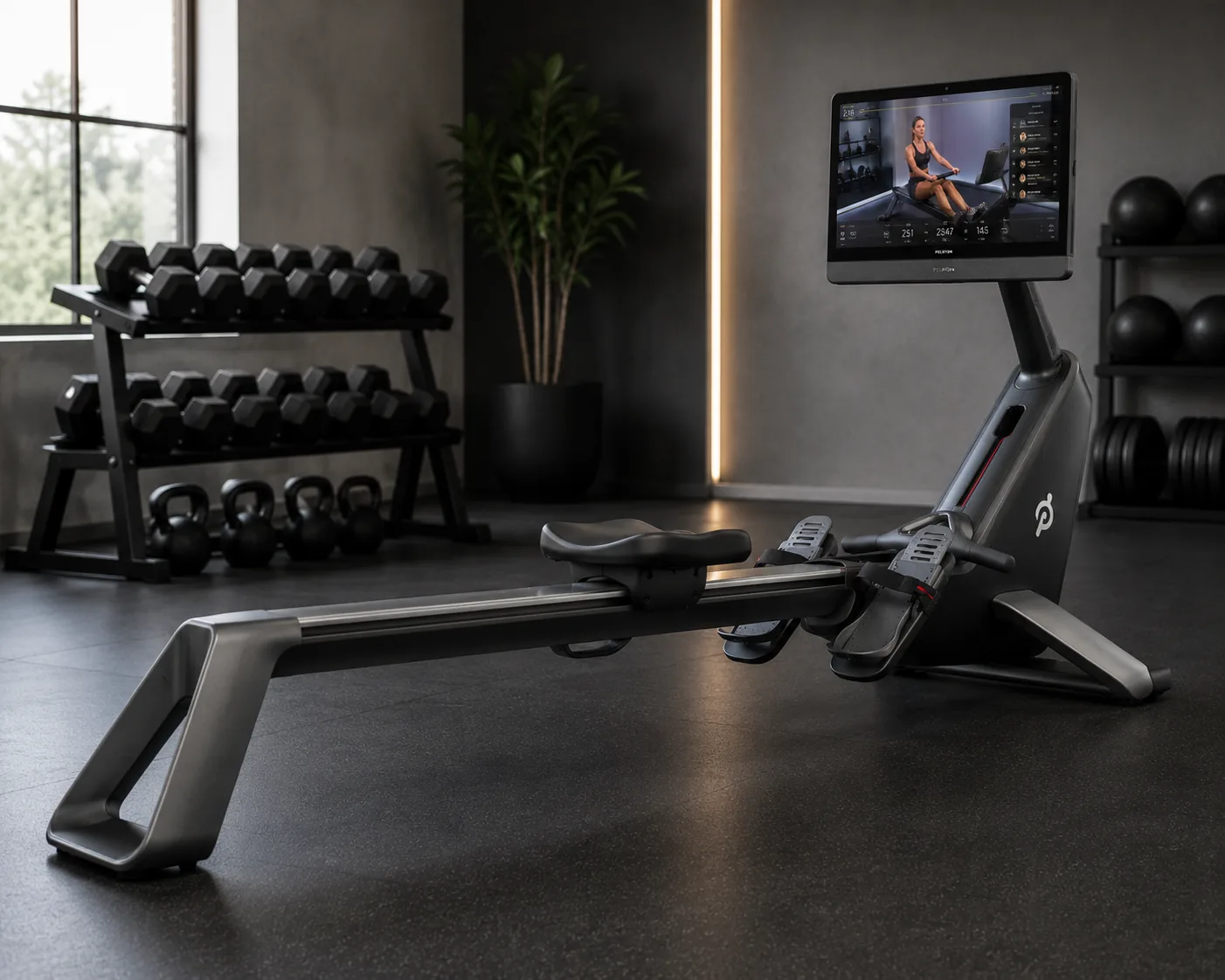
If you've decided you want a connected, instructor-led rower, these two are likely on your shortlist. Both are premium machines built around a big touchscreen and a strong class library, both use quiet electronically controlled resistance, and both lean on a monthly subscription. But there's a notable price gap - the Peloton Row is around $3,295, the Hydrow around $2,195 - and each has a distinct standout feature.
The decision really comes down to whether Peloton's headline feature, real-time form coaching, is worth a four-figure premium to you.
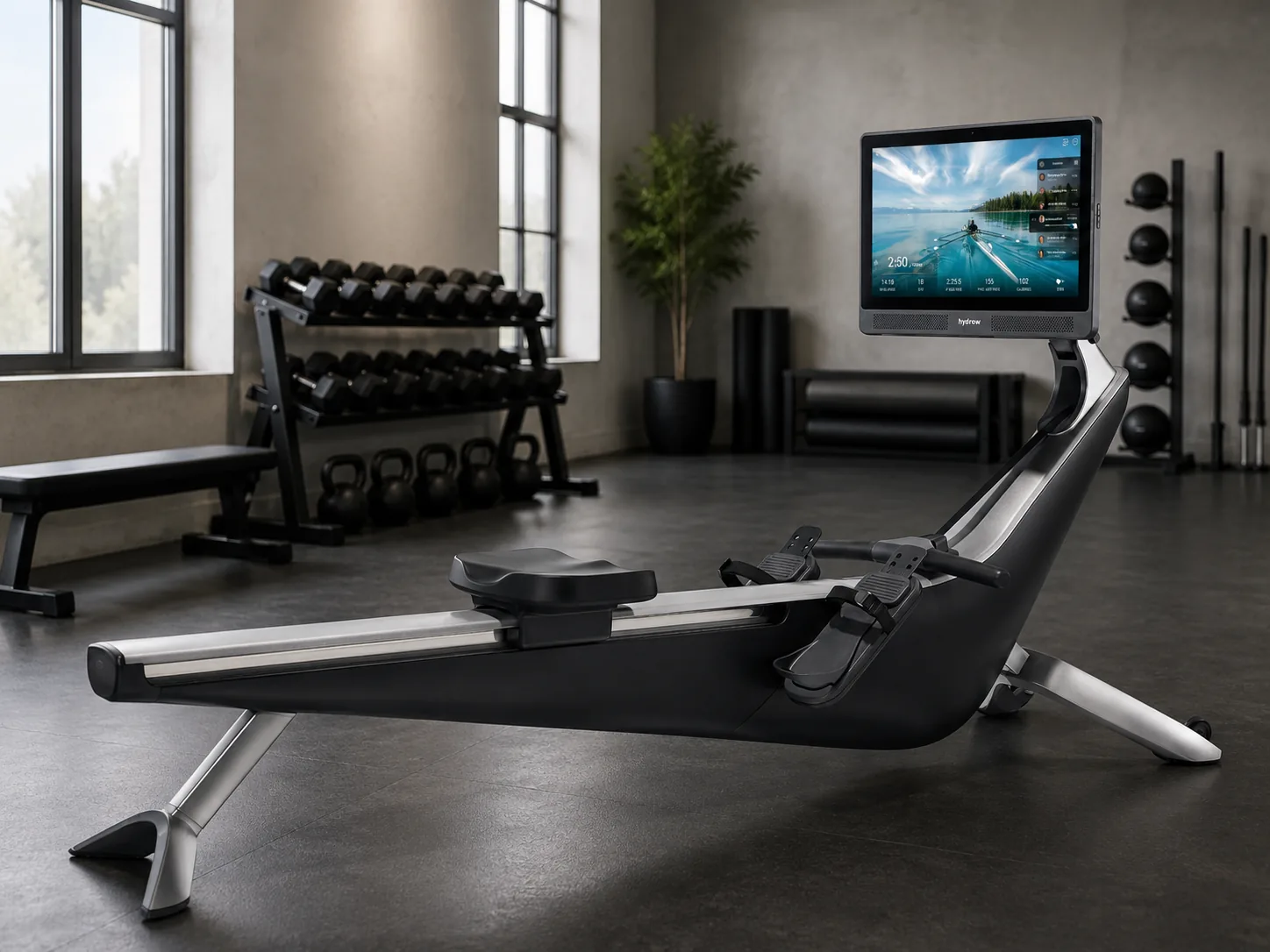
Verdict: Better value for most - unless Peloton's Form Assist coaching is the draw.
Peloton Row vs Hydrow Rower: at a glance
| Peloton Row | Hydrow Rower | |
|---|---|---|
| Our rating | 3.8/5 | 3.8/5 |
| Price | ~$3,295 | ~$2,195 |
| Resistance | Electronically controlled magnetic resistance | Electromagnetic (computer-controlled, adjustable 50-300) |
| Monitor / screen | 23.8" HD swiveling touchscreen (front and rear speakers) | 22" Full HD (1920x1080) pivoting touchscreen |
| Connectivity | Wi-Fi, Bluetooth, ANT+ | ANT+ and Bluetooth (heart rate and audio); Wi-Fi required |
| Max user weight | 300 lbs | 375 lbs |
| Footprint / size | 94" L x 24" W | 86"L x 25"W x 47"H |
| Storage | Does not fold; vertical storage via separate wall anchor (8' ceiling) | Upright storage with separately purchased wall kit |
| Warranty | 5-year frame; 12 months parts and labor / touchscreen | 5 years frame / 1 year monitor & labor |
Full Peloton Row review Full Hydrow Rower review
The standout features: Form Assist vs immersion
The Peloton Row's signature is Form Assist - real-time technique tracking that watches your stroke and gives feedback. For a beginner learning to row, that's genuinely valuable; bad rowing form is common and hard to self-correct, and having the machine flag it is a real advantage. Pair that with Peloton's famously polished class production and it's a strong package for guided learning.
The Hydrow's strength is immersion - filmed on-water routes and instructor-led rows designed to make you feel like you're really on the water. It's less about correcting your stroke and more about transporting you somewhere. Both are excellent at what they do; the question is whether you value coaching feedback (Peloton) or atmospheric escape (Hydrow).
Feel, build and screen
Both use quiet, smooth, electronically controlled resistance (magnetic on the Peloton, electromagnetic on the Hydrow) with auto-adjusting levels - neither replicates the dynamic feel of an air or water flywheel, but both are well-suited to apartments. Screens are close: the Peloton's 23.8-inch swiveling display versus the Hydrow's 22-inch pivoting one, both sharp and well-produced.
Build quality is high on both, with heavy, stable frames. One difference to note is warranty: both carry a 5-year frame warranty, but parts, labour, and touchscreen coverage is relatively short on each for the price - read the fine print, especially on the more expensive Peloton.
Price and the subscription reality
This is where the Hydrow pulls ahead for most buyers. It costs roughly $1,100 less up front than the Peloton Row while delivering a comparably premium instructor-led experience. Both then charge around $44/month for the membership that unlocks the content, so the ongoing cost is similar - it's the upfront gap that decides it.
Peloton also caps user weight lower (300 lb vs the Hydrow's 375 lb) and, like the Hydrow, doesn't fold - vertical storage needs a separately sold wall anchor and the ceiling height to match. Factor that into your space planning for either machine.
Choose the Peloton Row if…
- You're a beginner who wants real-time Form Assist coaching
- You specifically want Peloton's class ecosystem and instructors
- You want the largest screen (23.8") and don't mind paying for it
- Delivery and professional setup matter to you
Choose the Hydrow Rower if…
- You want a comparably premium experience for ~$1,100 less
- Immersive on-water routes appeal more than form coaching
- You need a higher user-weight capacity (375 lb)
- You want the better overall value in connected rowing
Our verdict
For most buyers, the Hydrow is the better value: it delivers a similarly premium, immersive, instructor-led experience for over a thousand dollars less up front, with a higher weight capacity and the same ballpark subscription. If you want connected rowing and don't need form coaching specifically, it's the smarter buy.
The Peloton Row justifies its premium for one buyer in particular: the beginner who'll genuinely benefit from Form Assist correcting their stroke, or the committed Peloton devotee who wants that ecosystem. If that's you, it's a superb machine - just know you're paying a real premium for the coaching and the brand.
Frequently asked questions
- Is the Peloton Row or Hydrow better?
- The Hydrow is the better value for most - a similarly premium instructor-led experience for around $1,100 less, with a higher weight capacity. The Peloton Row is worth its premium mainly for its real-time Form Assist coaching, which is genuinely useful for beginners.
- What is Peloton Row's Form Assist?
- Form Assist is real-time technique tracking that monitors your rowing stroke and gives feedback to help you correct it. It's the Peloton Row's standout feature and is especially valuable for beginners, since poor rowing form is common and hard to self-diagnose.
- Do both the Peloton Row and Hydrow need a subscription?
- Yes - both rely on a roughly $44/month membership to unlock the bulk of their classes and content. The hardware works without it but offers limited functionality on either machine.

Jordan Lockwood (BSc, CPT)
Certified personal trainer (CPT), sports-science graduate, and lifelong rower. Jordan writes and reviews every guide on Rowing Machine Nerd.