 Rowing Machine Nerd
How to Row a Faster 2,000m: Test Strategy & Pacing
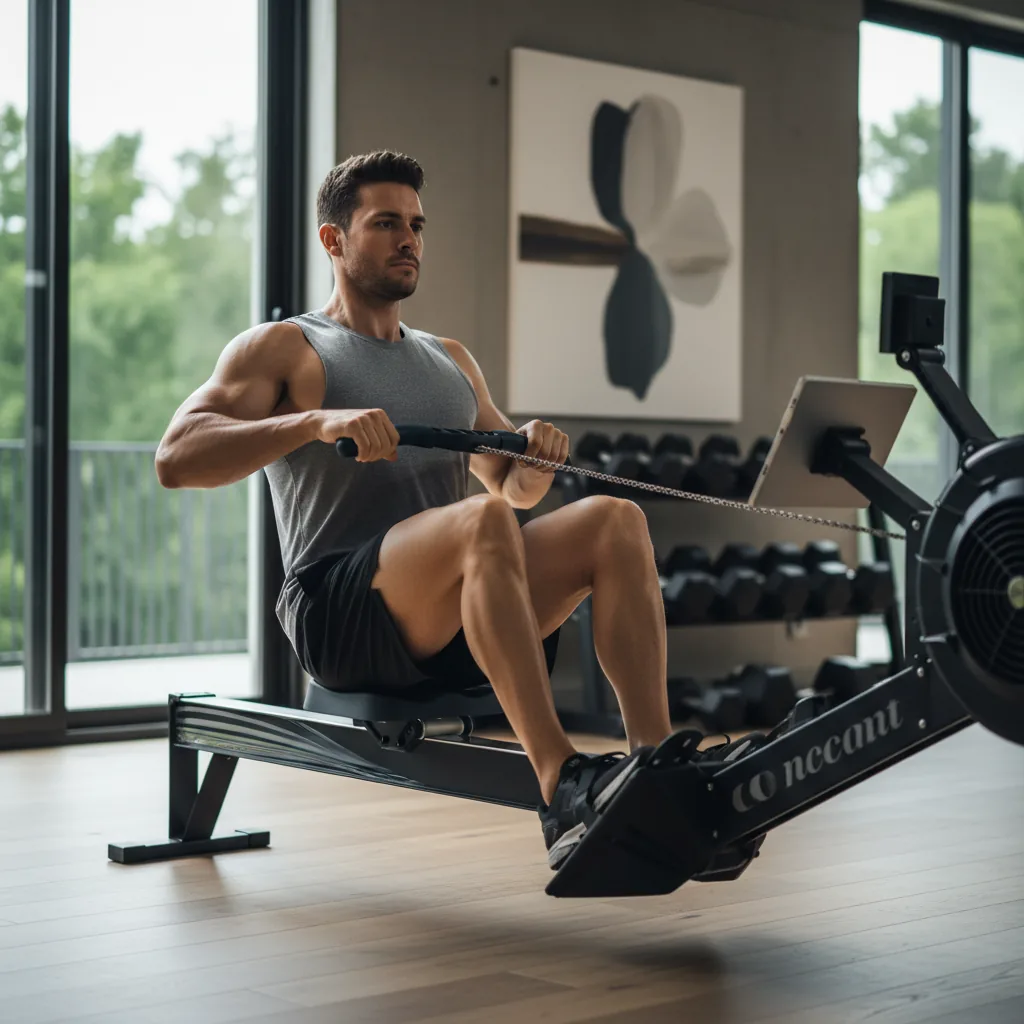
The 2,000m is rowing's benchmark distance - the erg equivalent of a mile time. It's long enough to test your aerobic engine and short enough to hurt the whole way. A good 2k is won as much by pacing discipline as by fitness. Here's how to row one well.
Know your target split before you start
The single biggest mistake is flying off the line and dying at 1,200m. Decide your target average 500m split - the standard measure of pace in indoor rowing[1] - in advance, from a recent hard piece. If your best 2k average is 2:05 /500m, that's your reference: aim to average it, not beat it from the first stroke. Not sure what's realistic? Set goal paces with the pace calculator and see where your time ranks with the 2k calculator.
The race plan
Break the 2,000m into three phases and ride each one with discipline:
First 500m
- Target split
- target, or 1–2s faster
- Stroke rate
- punchy start → ~28–30
- Focus
- 8–10 strong strokes to spin the flywheel up, then settle. Bank composure, not seconds.
Middle 1,000m
- Target split
- your target split
- Stroke rate
- 28–32, steady
- Focus
- Where the race is held together. Lock onto the number and hold it. Breathe rhythmically; don't chase it down.
Final 500m
- Target split
- target → as fast as you can hold
- Stroke rate
- rising to 32–36
- Focus
- From 500m to go, begin lifting. From 250m, empty the tank - more rate and harder drive every 10 strokes.
Pacing math that works
A flat or very slightly negative split (second half as fast or faster than the first) almost always produces your best time. Even pacing feels conservative early and brutal late - but it beats the fade that follows a hot start every single time.
Stroke rate vs. power
Don't confuse a higher rate with a faster boat. Most of your speed comes from power per stroke, mainly leg drive. A controlled 30 spm with a strong drive beats a frantic 36 spm with a short, weak pull. Let the rate rise naturally as you lift at the end - more on this in our stroke rate guide.
The week around your test
Test fresh. Take an easy day or full rest before, warm up thoroughly (10-15 minutes building from easy to a few race-pace bursts), and leave a couple of minutes to settle your breathing before the first stroke. A 2k on tired legs tells you little. Rehearse your goal pace beforehand with the 2k tune-up in our advanced workouts.
After the test
Record your time and average split - that's your new benchmark. Then build toward the next one with steady-state volume for your aerobic base and threshold intervals to raise the pace you can hold. Test every 6-10 weeks, not every week.
References
- Understanding Splits - Concept2
Frequently asked questions
- How should I pace a 2k row?
- Aim for an even or slightly negative split. Settle near your target 500m split after a short punchy start, hold it through the middle 1,000m, then lift hard over the final 500m.
- What stroke rate should I use for a 2k?
- Most rowers hold around 28-32 spm through the body of a 2k, rising for the start and the sprint finish. Power per stroke matters more than chasing a high rate.

Jordan Lockwood (BSc, CPT)
Certified personal trainer (CPT), sports-science graduate, and lifelong rower. Jordan writes and reviews every guide on Rowing Machine Nerd.