 Rowing Machine Nerd
Rowing Machine Technique: Step-by-Step Guide for Beginners
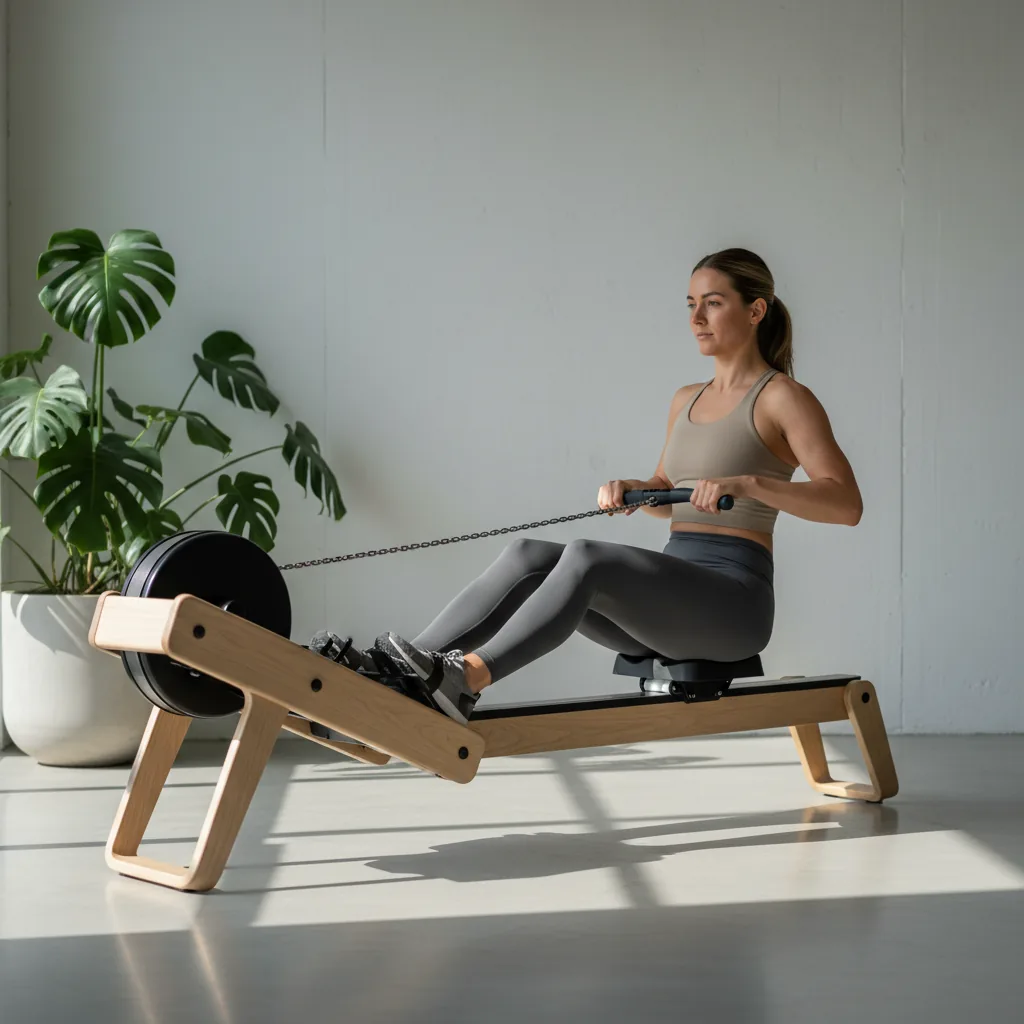
When I teach beginners to use a rowing machine, I always start with the basics of technique. Rowing is a full-body exercise, and the stroke follows a natural sequence that anyone can learn with practice. Once you understand the order of movement, the rhythm feels smooth and controlled, and every session becomes more effective.
I like to break the stroke down into clear phases so it's easier to follow and repeat. This makes it simple to develop good habits from the start, avoid unnecessary strain, and get the most out of each workout.
In this guide, I'll walk through the rowing stroke step by step, explain each phase, highlight the most common rowing mistakes, and share simple drills that help reinforce good form. With patience and consistency, rowing quickly becomes one of the most rewarding exercises you can add to your routine.
The Basics of the Rowing Stroke
When I introduce someone to the rowing machine, I explain that the movement is built around a simple sequence. Rowing is often thought of as an arm exercise, but in reality, most of the power comes from the legs. The stroke is a coordinated flow of legs, core, and arms, moving in that order every time - the same sequence Concept2 teaches: press with the legs, swing the back, then pull the arms.[1]
The breakdown looks like this:
- Legs drive the movement and provide the majority of the power.
- Core and hips stabilize the body and transfer force smoothly.
- Arms finish the stroke with a controlled pull.
In practice, this means about 60% of the effort comes from your legs, 30% from the core and hips, and only 10% from your arms. For a deeper breakdown of how the legs, core, and arms work together, see our full form guide. When you follow this sequence, the stroke feels efficient, powerful, and repeatable.
Before diving into the details of each phase, it's important to set yourself up properly: adjust the foot straps so they sit across the widest part of your foot, grip the handle lightly rather than squeezing it, and sit tall with your chest open and shoulders relaxed. These small adjustments make it easier to learn the movement correctly from the start.
The Four Phases of the Rowing Stroke
The rowing stroke can be divided into four simple phases. Understanding these phases makes the movement easier to learn and helps you build a smooth, efficient rhythm.
1. The Catch
This is the starting position. Sit tall on the seat with your shins vertical, knees bent, and heels close to the footplate. Lean slightly forward from the hips while keeping your back straight. Extend your arms fully and hold the handle lightly. This is your setup before every stroke.
2. The Drive
Push firmly through your legs while keeping your arms straight. As your legs extend, engage your core and swing back slightly from the hips. Only once your legs are nearly straight should your arms pull the handle towards your lower ribs. Think of this phase as a smooth transfer of power from legs to core to arms.
3. The Finish
At the end of the stroke, your legs are straight, your torso leans back slightly, and the handle rests just below your chest. Your elbows are drawn past your body, shoulders are relaxed, and your grip remains light. This is a controlled pause before the recovery begins.
4. The Recovery
Extend your arms forward first, then hinge from the hips to bring your torso upright, and finally bend your knees to slide back to the catch position. This phase should be slower and more relaxed than the drive. Think of it as resetting your body smoothly for the next stroke.
Common Mistakes Beginners Make
When people first start rowing, they often fall into the same habits. These mistakes don't just make the workout less effective - they can also put unnecessary strain on your body. Here are the main ones I see most often.
Pulling too much with the arms
Rowing isn't an arm exercise. The majority of the power comes from the legs and hips. Relying on your arms alone will tire you quickly and reduce efficiency.
Rushing the recovery
Many beginners rush back to the starting position after the drive. The recovery should be slower and more relaxed than the drive. This gives you control and keeps the rhythm smooth.
Slouching or rounding the back
Poor posture is one of the fastest ways to create back pain. Sit tall with your chest open, shoulders relaxed, and core engaged throughout the stroke.
Setting the resistance too high
On machines like the Concept2, the damper setting doesn't need to be maxed out. A moderate setting (around 3-5) is ideal for learning technique and building endurance. Higher resistance is not always better and often leads to poor form.
Gripping the handle too tightly
A death grip on the handle causes forearm fatigue and blisters. Hold the handle lightly, letting it rest in your fingers rather than squeezing with your palms.
Overextending at the catch
Sliding too far forward at the start can overstretch your knees and lower back. Aim for shins vertical, not collapsing forward into the footplate.
Simple Drills to Improve Technique
Drills are one of the best ways to reinforce proper rowing form. By isolating parts of the stroke, you can focus on each movement and build muscle memory. These are the drills I often recommend to beginners:
The Arms-Only Drill
Sit at the catch with legs straight and torso upright. Row using just your arms, pulling the handle into your chest and then extending your arms forward again. This helps you feel what the arm movement should look like without relying on your legs.
The Legs-Only Drill
Start at the catch and row by driving only with your legs, keeping your arms and torso fixed. Focus on pushing through your heels and maintaining good posture. This reinforces the idea that the legs are the main source of power.
The Pick Drill
This combines phases step by step. Begin with arms-only strokes, then add the torso swing, and finally add the legs. The pick drill is one of the most effective ways to learn the correct sequence of the stroke.
Pause Drill
Row normally but pause briefly at the finish, at the half-slide, or at the catch. These pauses give you time to check posture and make sure you're moving in the right order.
Drills don't need to make up a full workout. Spend 5-10 minutes at the start of a session using them as part of your warm-up, and you'll notice your technique improving quickly.
Safety and Posture Tips
Rowing is safe and low impact, but only when it's done with good posture and awareness. Paying attention to these details will help you stay comfortable and avoid unnecessary strain:
Sit tall with a strong core
Keep your chest lifted, shoulders relaxed, and spine neutral throughout the stroke. Think about engaging your core muscles to support your back rather than slouching or leaning too far forward.
Protect your lower back
Most rowing injuries come from poor technique at the catch and the drive. Avoid collapsing into the footplate or overreaching with your torso. The hinge should come from the hips, not the spine.
Choose the right footwear
Wear firm, supportive athletic shoes. Shoes with thick, soft soles can absorb too much force and make it harder to push effectively through the legs.
Look after your hands
If you're new to rowing, blisters are common. A light grip helps, but you can also use gym gloves or rowing grips until your hands adapt. Keep your wrists flat rather than bending them upwards.
Warm up and cool down
Spend 5 minutes easing into your row before pushing intensity. At the end, row lightly for a few minutes to cool down and follow with basic stretches for your legs, hips, and shoulders.
Building Good Habits from the Start
Good rowing comes from repetition. Keep your sessions consistent, focus on smooth strokes, and let the rhythm become natural.
Short workouts of 15-20 minutes are enough in the beginning. As you build fitness, extend your sessions gradually. A structured beginner rowing plan makes this progression easy to follow, and starting with a few technique drills at the beginning of each workout helps reinforce form and posture.
Track your time, distance, or stroke rate. Small improvements build momentum and show you the progress you're making.
Rowing is most effective when it becomes part of your weekly routine. Stay steady, stay consistent, and the results will follow. If you're still deciding what to train on at home, our guide to the best rowing machines can help you pick the right one.
References

Jordan Lockwood (BSc, CPT)
Certified personal trainer (CPT), sports-science graduate, and lifelong rower. Jordan writes and reviews every guide on Rowing Machine Nerd.