 Rowing Machine Nerd
How Often Should You Row to See Results?
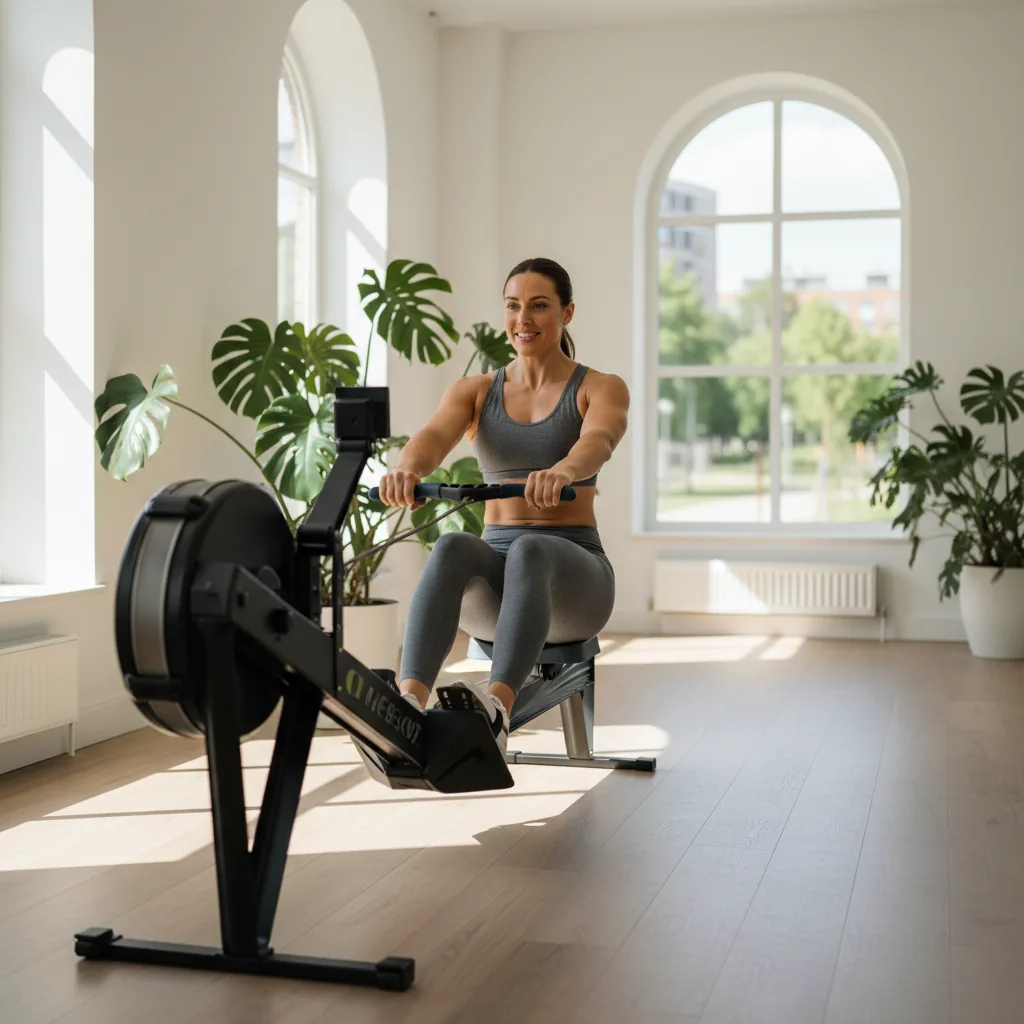
One of the most common questions I hear from clients is: "How often should I row to see results?" The honest answer is that it depends on three things - your goals, your current fitness level, and how much time you can realistically commit each week.
What I can tell you is this: more is not always better, and consistency always beats intensity. The rower who trains 3 times a week for six months will almost always outperform the rower who trains 6 times a week for three weeks and burns out.
Beginner: 3 Sessions Per Week
If you're new to the rowing machine, three sessions per week is the right starting point. A structured beginner rowing plan makes those first weeks far easier to stick with. It also lines up with public-health guidance: the CDC recommends adults get at least 150 minutes of moderate aerobic activity per week, plus two muscle-strengthening sessions - and three rowing sessions can cover both.[1] This frequency is enough to generate meaningful adaptation - cardiovascular improvement, muscular endurance, stroke mechanics - without overwhelming a body that isn't yet adapted to the demands of rowing.
At this stage, each session should be 15-25 minutes. Prioritize technique over pace. The adaptations you're building in the first 4-8 weeks are largely neurological - your body is learning how to fire muscles in the correct sequence. Rest days between sessions allow this consolidation to happen.
What to expect at 3x/week: Noticeable cardiovascular improvement within 3-4 weeks, measurable improvement in split times within 6-8 weeks, significant improvement in how rowing feels within 4 weeks.
Intermediate: 4-5 Sessions Per Week
After 8-12 weeks of consistent training, your body can handle and benefit from increased volume. Moving to 4-5 sessions per week allows you to add diversity to your training - alternating between steady-state endurance rows, interval sessions, and technique-focused shorter pieces.
At this level, I recommend mixing session types rather than doing the same 30-minute steady row every day. Monotony leads to plateaus. Variety drives continued adaptation.
Sample 4-day intermediate week (build your own sessions in the interval workout builder):
- Day 1: 30-minute steady endurance row (20-22 SPM, 65-70% max HR)
- Day 2: Interval session - 8 × 500m with 90 seconds rest
- Day 3: Rest or light cross-training
- Day 4: 25-minute steady row, technique-focused
- Day 5: 6 × 2 minutes hard, 2 minutes easy
Advanced: 5-6 Sessions Per Week
For experienced rowers with performance goals, 5-6 sessions per week provides the training stimulus needed to drive continued improvement in both speed and endurance. At this level, periodization becomes important - structuring training across weeks and months to build intensity, then recover before building again.
One rest day per week is non-negotiable even at the advanced level. The body adapts during recovery, not during the session itself. Removing all rest is one of the fastest ways to overtrain, which actually reverses fitness gains.
Signs You're Rowing Too Often
Overtraining is a real phenomenon, and the rowing machine is demanding enough to trigger it. Watch for:
- Elevated resting heart rate (more than 5 BPM above your normal baseline)
- Consistent fatigue that doesn't improve with a rest day
- Declining performance - your split times are getting worse, not better
- Persistent soreness in connective tissue (knees, lower back, shoulders)
- Loss of motivation or dread before sessions
If you're experiencing two or more of these, take 3-5 days completely off. When you return, row at lower intensity and shorter duration before building back up.
The Bottom Line on Rowing Frequency
The right frequency is the one you can maintain consistently. For most people, that's 3-4 sessions per week. If you can only commit to 2 sessions a week, that still produces real results - especially if you extend each session slightly.
Don't let perfect be the enemy of good. The best rowing program is the one you actually do.
References
- Adult Activity: An Overview (Physical Activity Basics) - Centers for Disease Control and Prevention
Frequently asked questions
- How many times a week should I use a rowing machine?
- For general fitness, 3-4 sessions a week is the sweet spot. Beginners should start with 3 and add a fourth once recovery feels comfortable.
- Is it OK to row every day?
- Daily rowing is fine if you vary intensity - mix hard days with easy, short, technique-focused sessions. Doing maximal efforts every day invites overuse injury and burnout.
- How long should each rowing session be?
- Anywhere from 20 to 45 minutes for most goals. Quality and consistency beat marathon sessions, especially in your first few months.

Jordan Lockwood (BSc, CPT)
Certified personal trainer (CPT), sports-science graduate, and lifelong rower. Jordan writes and reviews every guide on Rowing Machine Nerd.