 Rowing Machine Nerd
The Best Rowing Machines of 2026
We have reviewed 55 rowing machines against a single, consistent methodology - resistance feel, build, monitor, comfort, footprint, and value - and the honest truth is that most of them are forgettable. A handful are exceptional. This guide cuts the catalogue down to the machines genuinely worth your money, and tells you which one is right for which kind of rower.
There is no single "best" rowing machine, only the best machine for your space, budget, and what keeps you training. So rather than crown one winner and move on, we have picked the standout in each category that matters - the one to buy for life, the best water rower, the best connected experience, the best on a budget - with a clear note on who should choose it and who should look elsewhere.
Our top picks at a glance
- Best Overall: Concept2 Model D (~$990)
- Best for Taller & Less Mobile Rowers: Concept2 Model E (~$1,200)
- Best Water Rower: WaterRower Natural (~$1,200)
- Best Connected / Instructor-Led: Hydrow Wave (~$1,695)
- Best for Gamified Training: Ergatta Rower (~$2,199)
- Best Value Air Rower: Xebex Air Rower (~$749)
Concept2 Model D
Air rower · ~$990
Best for: Serious and data-driven rowers, and anyone who wants to buy one machine for life.
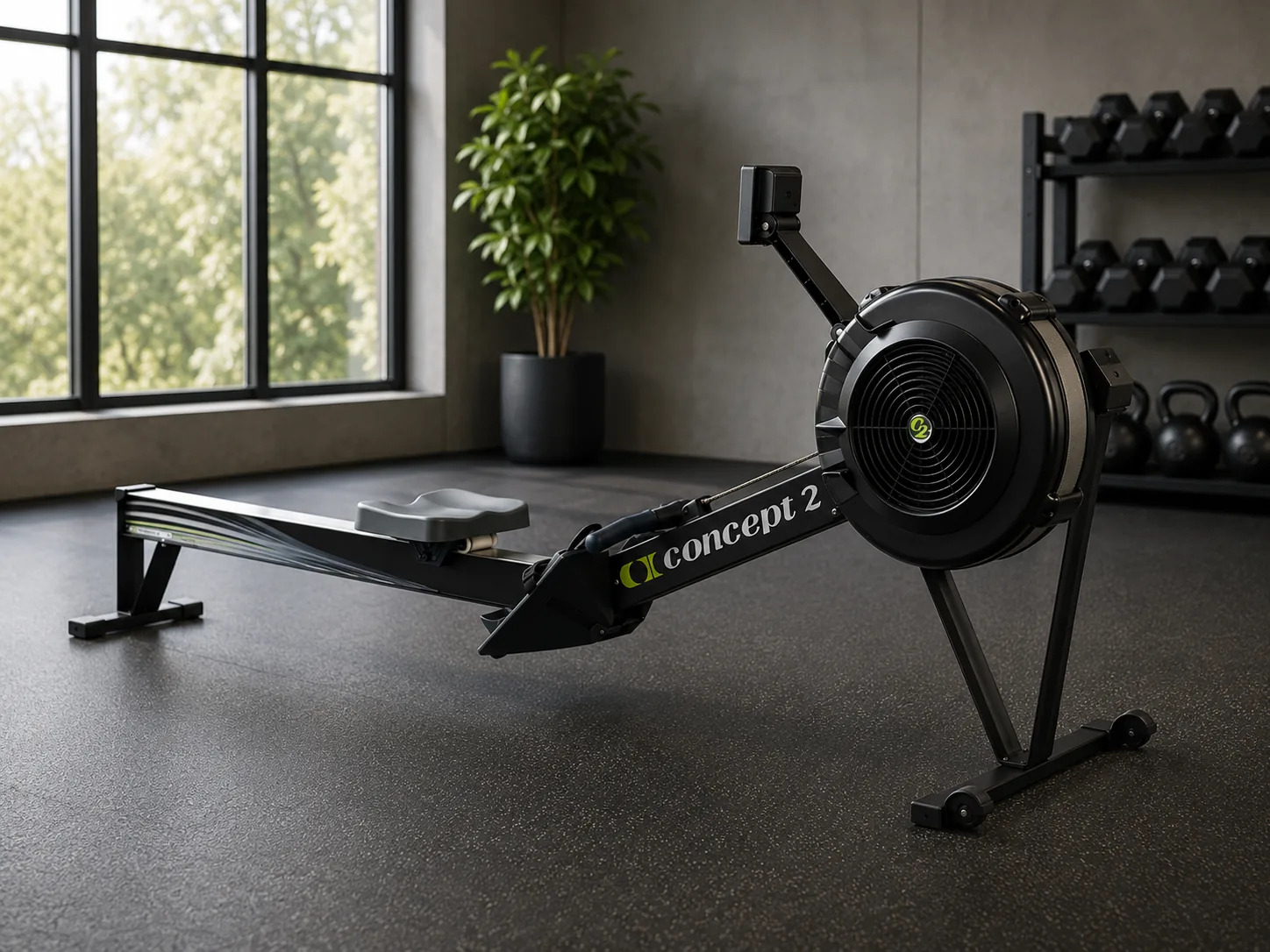
If you ask competitive rowers, CrossFit coaches, or physiologists which indoor rower to buy, the answer is monotonously consistent: the Concept2. The Model D (now sold as the RowErg) is the machine every other rower is measured against, and it is the safest purchase in the entire home-cardio category. The air resistance scales infinitely with your effort so you can never outgrow it, the PM5 monitor makes your data the worldwide racing and testing standard, and the build routinely runs for a decade or more.
It is not the cheapest option at around $990, but it occupies an unusual sweet spot - a fraction of the price of premium connected rowers while out-measuring and out-lasting nearly all of them. Add resale value that holds 75-85% of new, and the real cost of ownership is lower than almost anything else here. The only reasons to look elsewhere are a need for an instructor on a big screen, a very tight apartment, or a higher seat.
Read our full Concept2 Model D review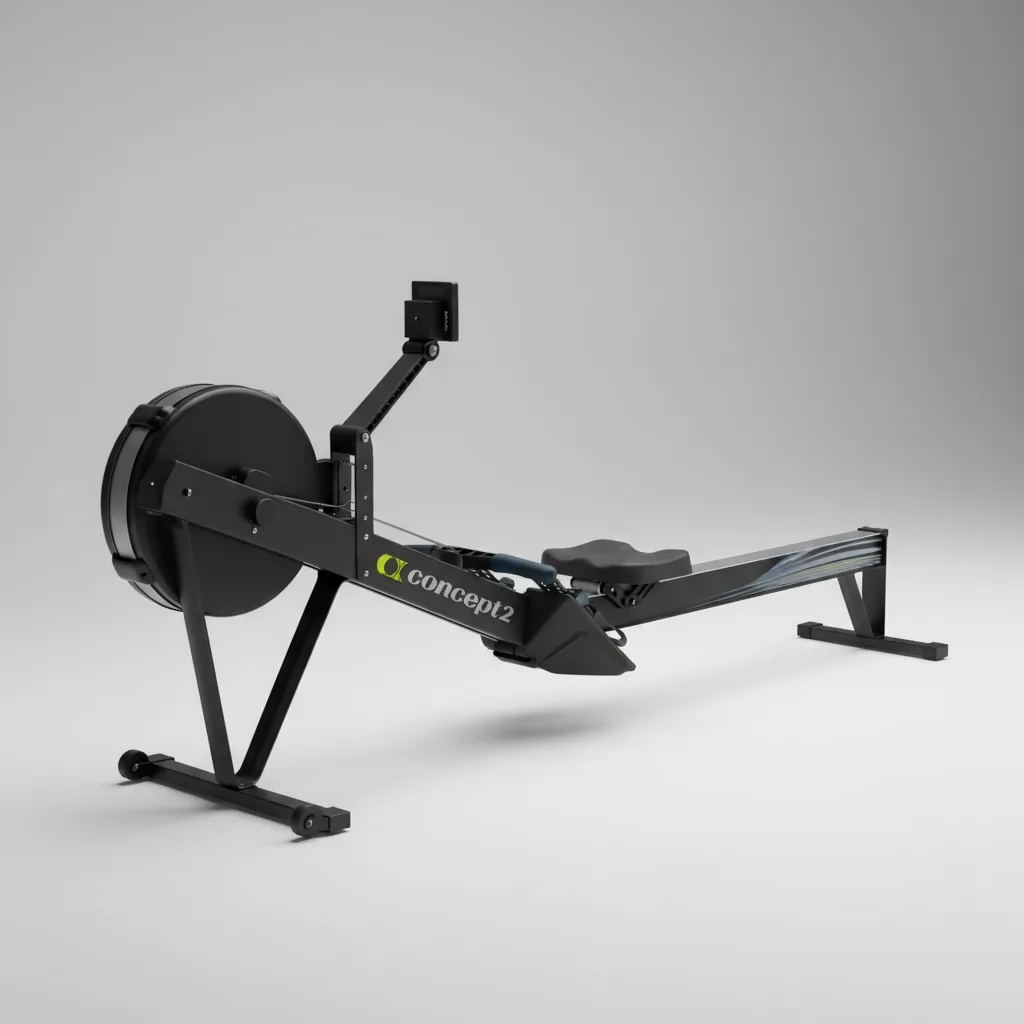
Concept2 Model E
Air rower · ~$1,200
Best for: Taller, heavier, or less mobile rowers who want Concept2's proven performance with an easier-to-mount elevated seat.
The Model E is the same machine as the Model D - identical PM5 monitor, identical flywheel, identical data and durability - sitting about six inches higher, with a 20-inch seat instead of 14. That elevated seat is a genuine benefit if you have knee, hip, or mobility concerns, or if you are tall and find getting up off a low seat annoying.
Our advice is simple: default to the Model D, and only step up to the E for the seat height, not for any perceived quality upgrade. You are paying roughly $200-300 more purely for ergonomics, which is money well spent if you need it and wasted if you don't.
Read our full Concept2 Model E review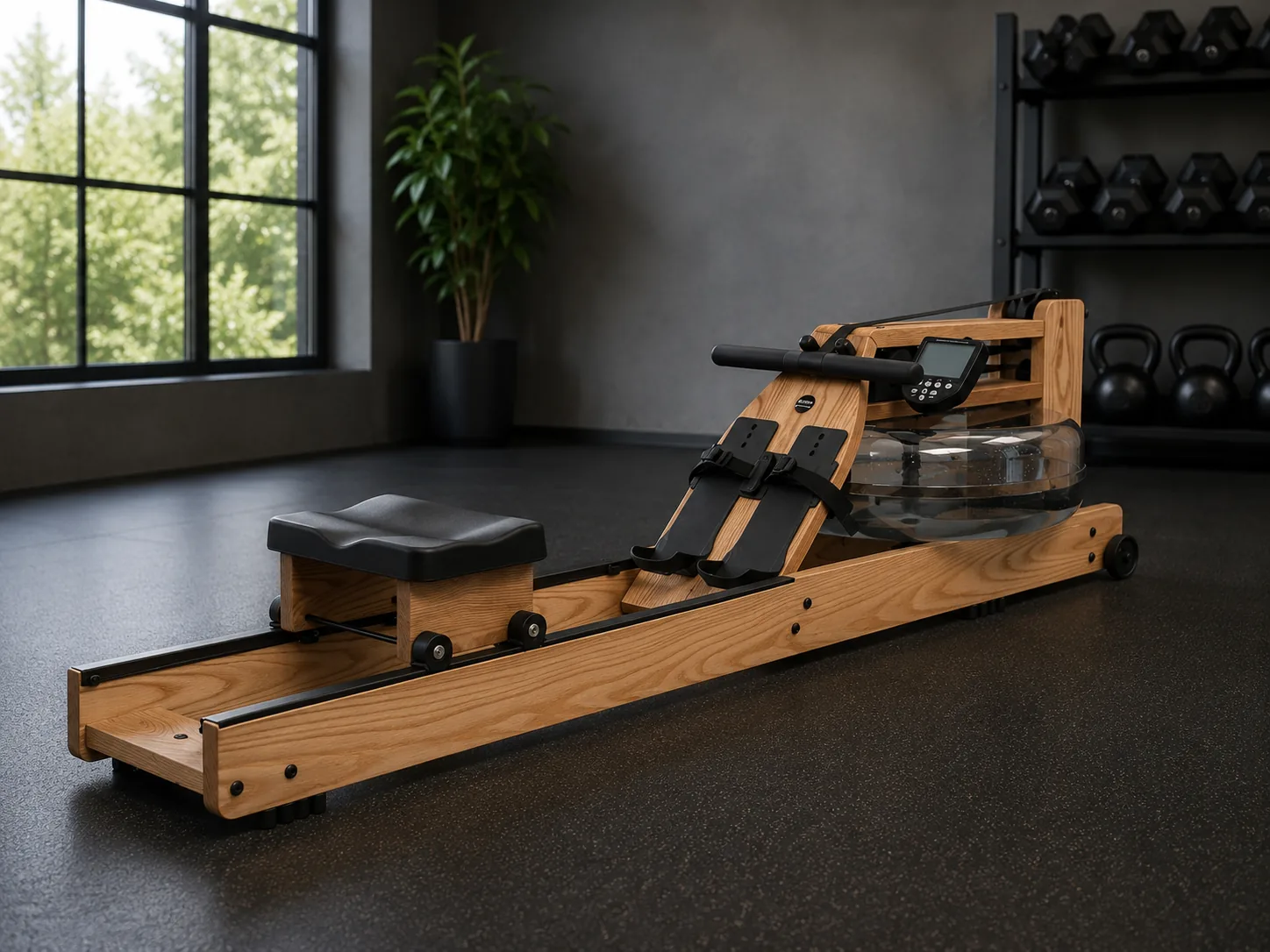
WaterRower Natural
Water rower · ~$1,200
Best for: Home users who want a beautiful, quiet machine and an immersive feel more than lab-grade data.
The WaterRower Natural is what most people picture when they imagine a beautiful rowing machine - handcrafted hardwood that genuinely belongs in a living room, a smooth water stroke with a pleasant whoosh, and upright storage that takes up almost no floor space. It is quieter than an air rower and made in the USA with a strong frame warranty.
The trade-off is data: the S4 monitor is basic for the price, with none of the split-rich feedback serious trainers want. Buy the Natural if you value how a machine looks and feels in your home more than lab-grade numbers - it is the water rower we recommend without reservation for that buyer.
Read our full WaterRower Natural review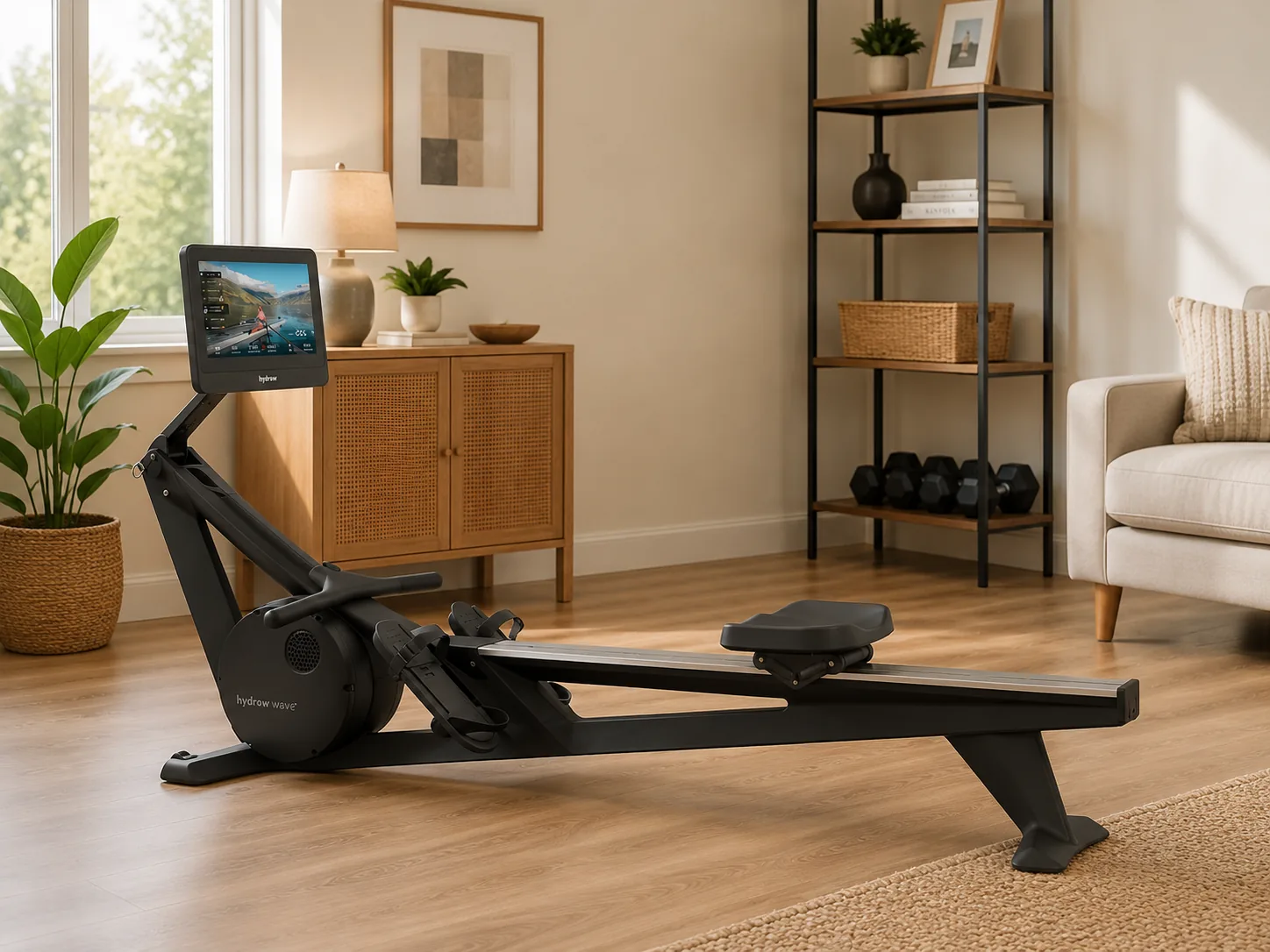
Hydrow Wave
Smart/connected rower · ~$1,695
Best for: Buyers who want a guided, studio-style connected rowing experience in a compact footprint and are willing to pay an ongoing subscription.
If your motivation depends on a coach on a screen, the Hydrow Wave is the connected rower we recommend first. It pairs near-silent electromagnetic resistance with a sharp 16-inch HD touchscreen and a large library of live and on-demand instructor-led rows, in a more compact, lighter footprint than the full-size Hydrow - and for several hundred dollars less.
Be clear-eyed about the model, though: the experience leans heavily on a roughly $44/month membership, and the frame doesn't fold (the vertical storage kit is an extra purchase). If you will only train with a charismatic instructor pushing you, that ongoing cost may be exactly what keeps you consistent. If not, a Concept2 plus a free app is the smarter buy.
Read our full Hydrow Wave review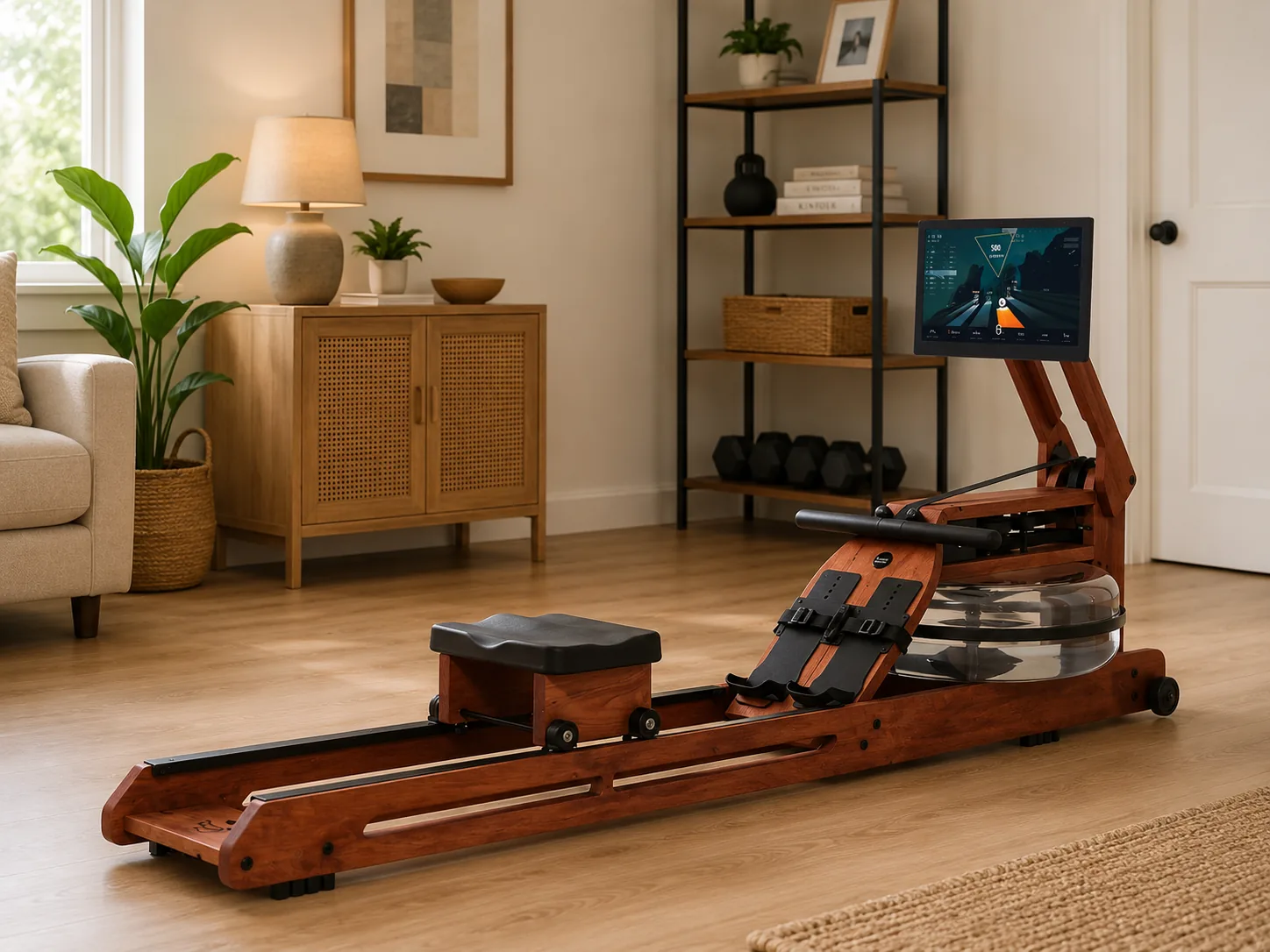
Ergatta Rower
Water rower · ~$2,199
Best for: Home exercisers who want an engaging, gamified water-rowing experience in a furniture-grade machine and don't mind paying premium hardware and subscription prices.
Ergatta is the rower for people who are bored by classes but motivated by competition. It puts a game-based platform on a 21-inch touchscreen mounted to a furniture-grade cherry-wood frame, turning intervals and races into something you actually want to come back to - over genuine, self-adjusting water resistance rather than simulated magnets.
It is expensive up front and a membership unlocks the full value, and the closed software ecosystem means no third-party streaming on-screen. But for the right buyer - someone who wants water feel, a machine that looks like furniture, and gamified workouts instead of instructor-led ones - nothing else on this list scratches the same itch.
Read our full Ergatta Rower review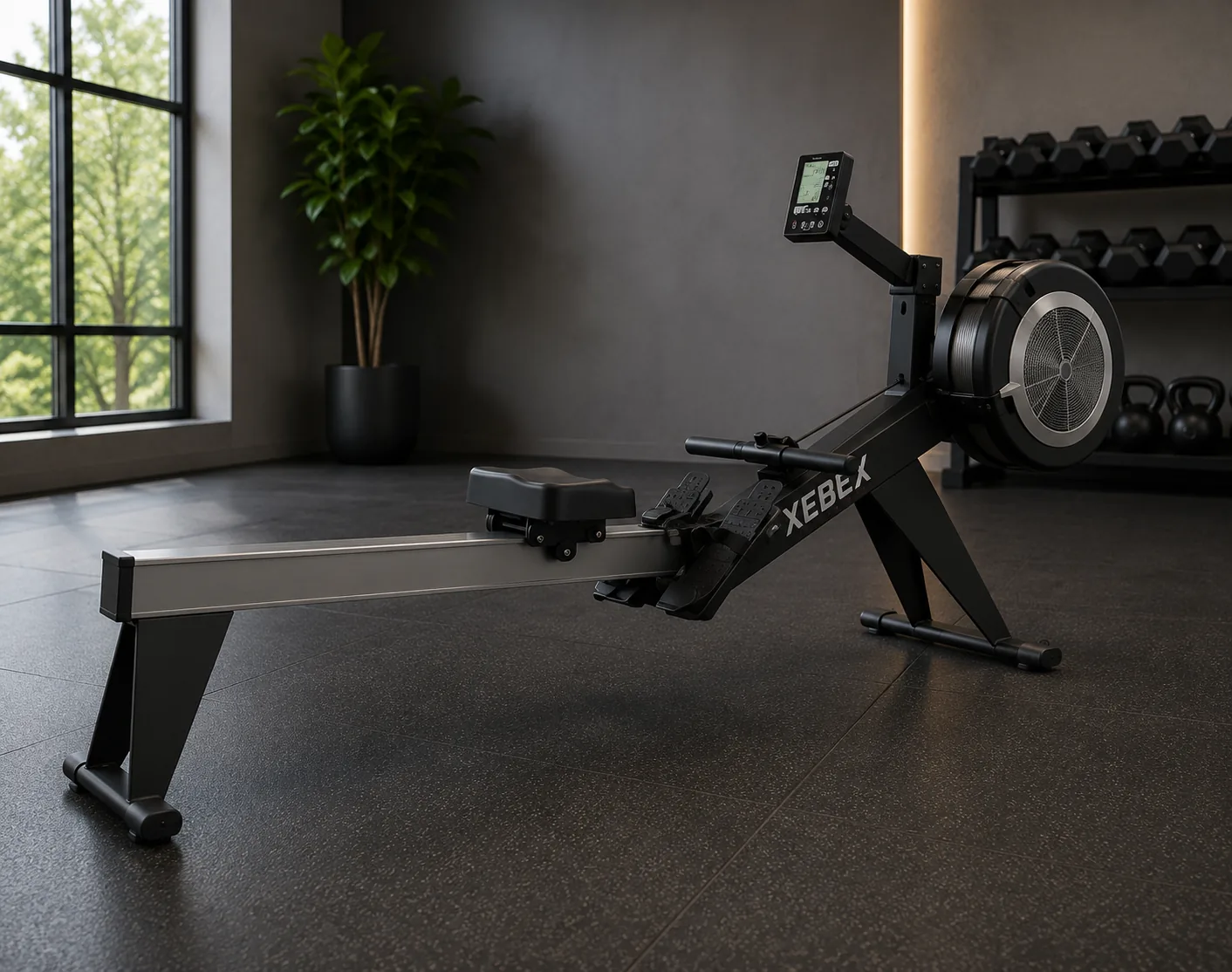
Xebex Air Rower
Air rower · ~$749
Best for: Home and garage-gym users who want a sturdy, high-weight-capacity air rower and are willing to step up from entry-level machines without paying Concept2 prices.
If you want the honest air-rower feel of a Concept2 but can't stretch to one, the Xebex Air Rower is the standout step-up from entry-level machines. It is a heavy, steel-built frame rated to a 500 lb user weight, with smooth air resistance, a 10-position damper, and a console that tracks the metrics that matter - and the 2.0 model folds in half for storage.
The catch is data portability: the proprietary console formulas make your numbers hard to compare against the global Concept2 standard, and the standard model has no Bluetooth (the Smart Connect variant fixes that). For a garage gym or a budget-conscious household that wants real air resistance without Concept2 money, it is the best value going.
Read our full Xebex Air Rower reviewHow to choose the right rowing machine for you
Start with resistance type, because it shapes everything else. Air rowers (like the Concept2 and Xebex) scale with your effort, give the most accurate data, and are the standard for serious training - but the fan is loud. Water rowers (WaterRower, Ergatta) feel smooth and immersive and look beautiful, at the cost of basic onboard data unless you pay for a connected model. Magnetic and electromagnetic rowers (Hydrow, Echelon) are the quietest, which makes them the apartment-friendly choice, but the resistance feels slightly flat compared to a real flywheel.
Then weigh the two things people most often get wrong: footprint and subscriptions. Almost every full-size rower needs roughly an 8-foot lane while you row, so measure your space and check how each machine stores (separates, folds, or stands upright). And remember that connected rowers are really two purchases - the hardware and an ongoing monthly fee. A Concept2 plus a free app costs nothing per month and still connects to paid apps later if you want them; a Hydrow or Peloton bills you every month for the content that justifies the screen.
The bottom line
For most people, most of the time, the answer is the Concept2 Model D. It gives you the best workout, the best data, and a machine that outlasts the trends, all for far less than the connected rowers it gets cross-shopped against. Buy it unless you have a specific reason not to - a tight apartment, a need for a higher seat, or a genuine dependence on instructor-led classes.
If one of those reasons applies, the rest of this list is your map: the Model E for the higher seat, the Hydrow Wave for instructor-led classes, the WaterRower Natural for living-room looks and feel, Ergatta for gamified training, and the Xebex for air-rower performance on a budget.
References
- What Damper Setting and Drag Factor to Use on the Concept2 RowErg - Concept2
- Understanding Splits - Concept2
Frequently asked questions
- What is the best rowing machine overall?
- The Concept2 Model D (RowErg) is our overall pick. It combines air resistance that scales with your effort, the industry-standard PM5 monitor, famous durability, and resale value that holds 75-85% of new - all for around $990, far less than the connected rowers it competes with.
- Is an expensive rowing machine worth it?
- Not automatically. A $2,000+ connected rower buys you a big touchscreen and instructor-led classes, plus an ongoing monthly subscription - worth it only if that content is what keeps you training. For pure workout quality, data, and longevity, the ~$990 Concept2 outperforms machines costing two to three times as much.
- What's the best rowing machine for a small apartment?
- For the quietest option, a magnetic or electromagnetic rower like the Hydrow Wave is best. For a small footprint, the WaterRower Natural stores upright on its end and the Concept2 separates into two pieces. See our dedicated guide to the best rowing machines for small spaces.

Jordan Lockwood (BSc, CPT)
Certified personal trainer (CPT), sports-science graduate, and lifelong rower. Jordan writes and reviews every guide on Rowing Machine Nerd.