 Rowing Machine Nerd
The Best Rowing Machines for CrossFit & HIIT
CrossFit and HIIT demand a specific kind of rower: one with resistance that responds instantly and scales with explosive effort, accurate data for measuring intervals, and a build rugged enough to survive being hammered day after day. That's why almost every box uses air rowers - the fan flywheel reacts to every hard pull, and there's no resistance ceiling to hit.
These are the machines built for hard interval training, led by the one the sport is standardised on.
Our top picks at a glance
- Best Overall for CrossFit: Concept2 Model D (~$990)
- Best Commercial-Grade Build: Assault AirRower Elite (~$1,499)
- Best Value for HIIT: Xebex Air Rower (~$749)
- Best Higher-Seat Option: Concept2 Model E (~$1,200)
- Best Budget Air Rower for Intervals: Xterra ERG500 Air Turbine Rower (~$499-$699)
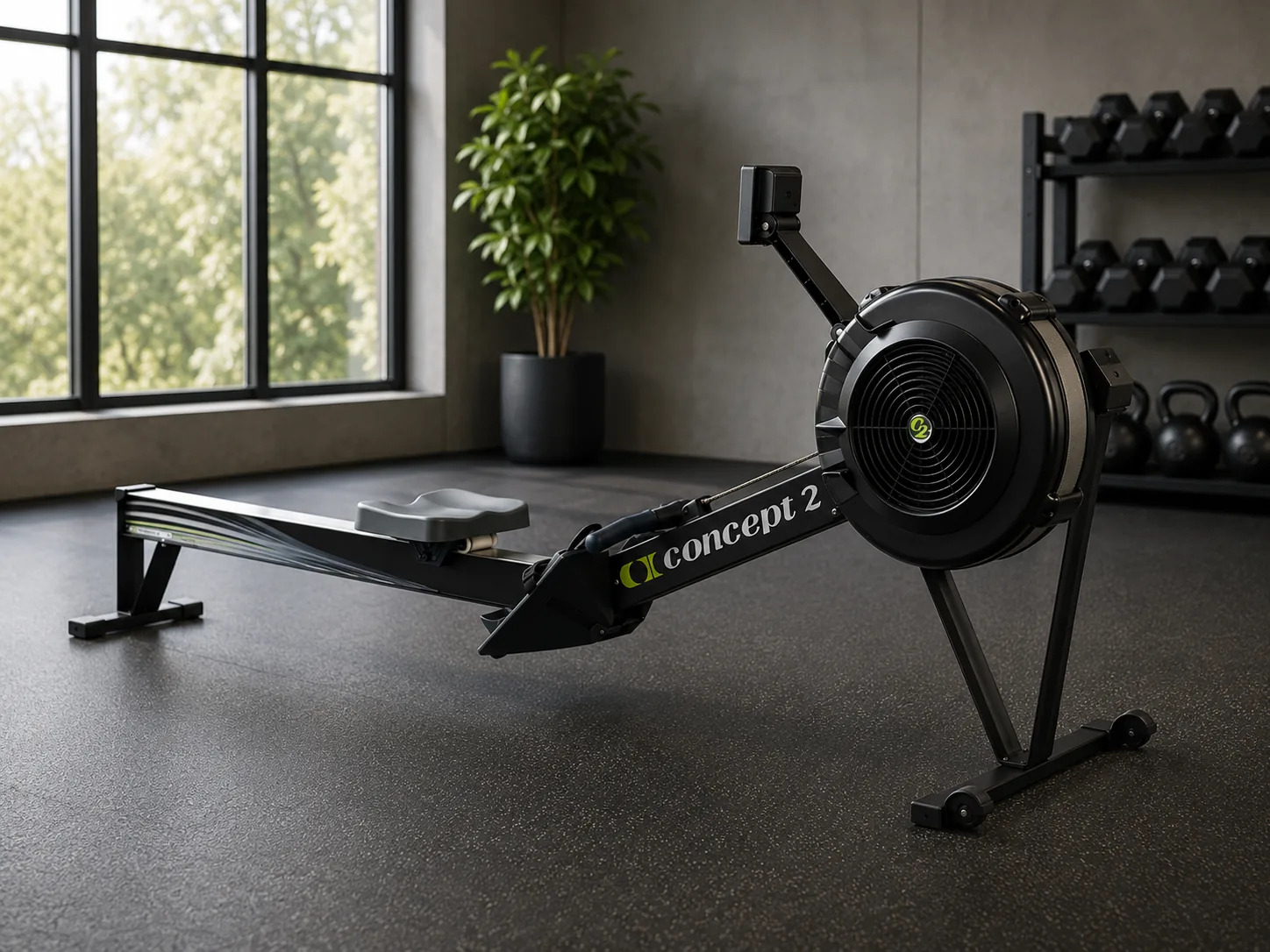
Concept2 Model D
Air rower · ~$990
Best for: Serious and data-driven rowers, and anyone who wants to buy one machine for life.
The Concept2 Model D is the rower CrossFit is run on - it's the competition and benchmark standard for a reason. The air resistance responds instantly to explosive effort, the PM5 gives accurate, comparable splits for programming and scoring intervals, and the build shrugs off years of relentless use.
Add class-leading resale value and an open app ecosystem, and it's the obvious pick for anyone training CrossFit or HIIT at home. If you only buy one rower for interval work, buy this.
Read our full Concept2 Model D review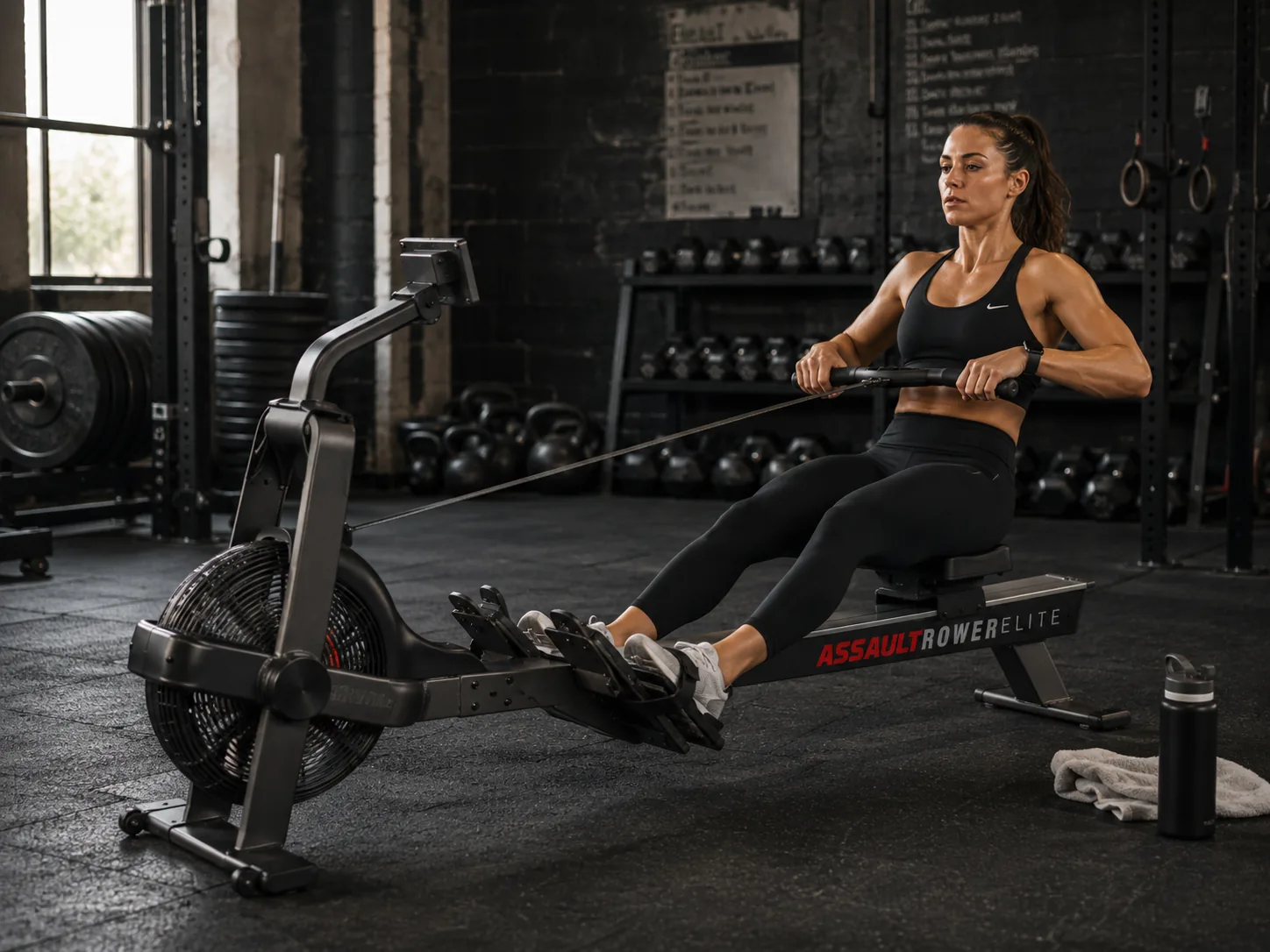
Assault AirRower Elite
Air rower · ~$1,499
Best for: Buyers wanting a rugged, commercial-grade air rower for hard interval training who care more about durability and comfort than connected apps or coaching content.
The Assault AirRower Elite is built like box equipment - a rugged commercial-grade steel frame, a comfortable contoured seat, and a wide multi-grip handle designed for hard, repeated interval work. Its dual chain-and-belt drive is smooth and a touch quieter than many air rowers.
It costs more than a Concept2 and its data doesn't compare globally, but if you want the most tank-like, comfortable air rower for relentless HIIT and don't care about app integration, it's a serious option.
Read our full Assault AirRower Elite review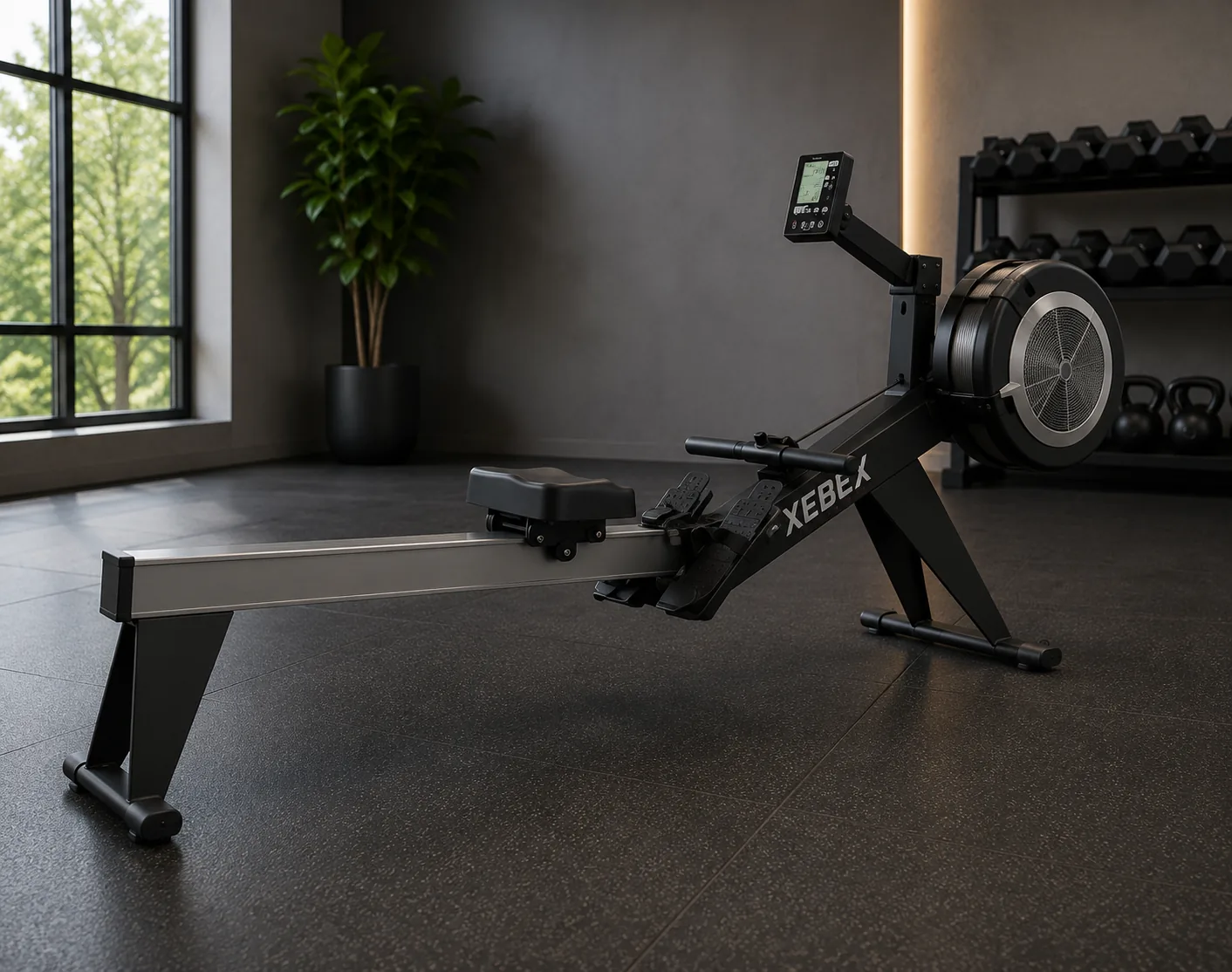
Xebex Air Rower
Air rower · ~$749
Best for: Home and garage-gym users who want a sturdy, high-weight-capacity air rower and are willing to step up from entry-level machines without paying Concept2 prices.
The Xebex Air Rower brings real, effort-scaling air resistance and a heavy 500 lb-rated steel frame to interval training for under $800 - the best value way to kit out a garage gym for HIIT without Concept2 money.
Its console tracks the interval metrics you need (the Smart Connect version adds Bluetooth for apps), and it folds in half for storage. Data isn't globally comparable, but for hard home intervals, it delivers.
Read our full Xebex Air Rower review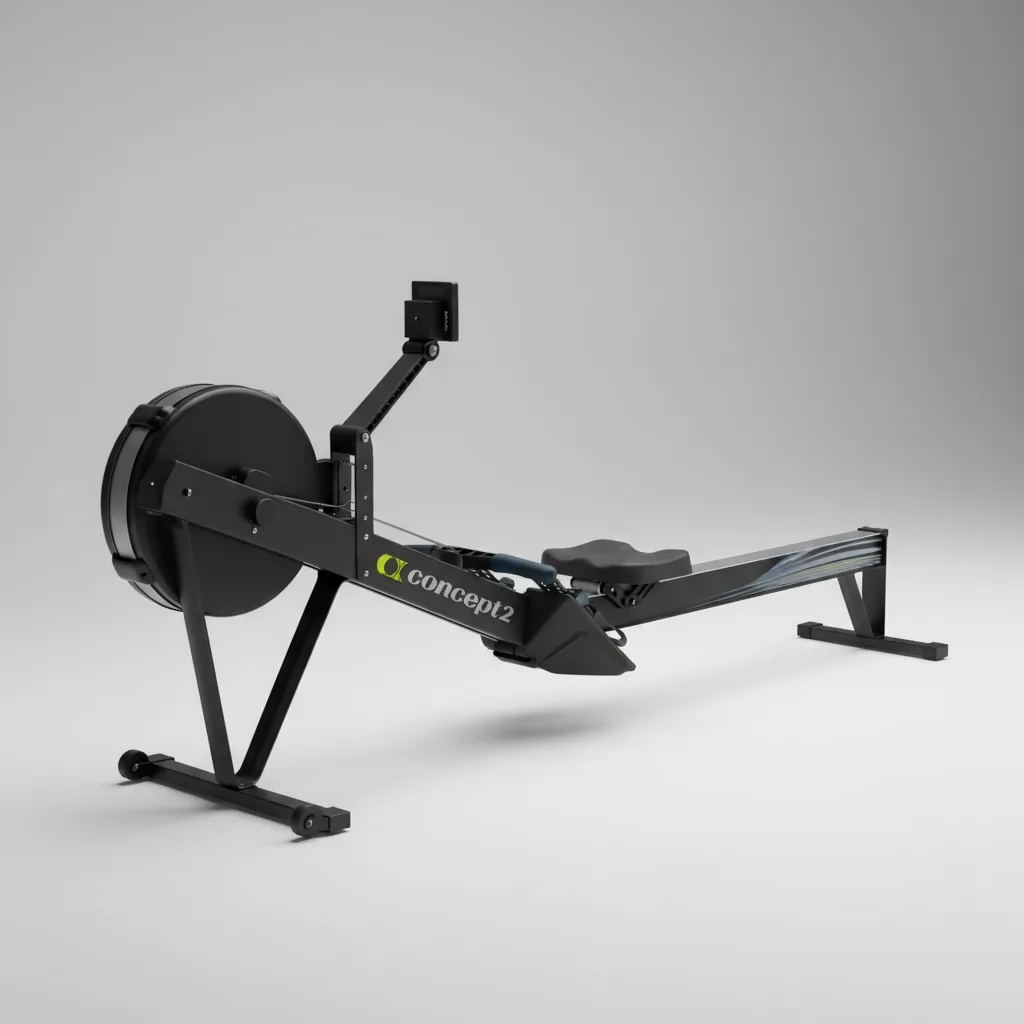
Concept2 Model E
Air rower · ~$1,200
Best for: Taller, heavier, or less mobile rowers who want Concept2's proven performance with an easier-to-mount elevated seat.
If you want the Concept2 CrossFit experience with an easier, higher seat - useful for taller athletes or quicker transitions on and off the rower in a workout - the Model E delivers identical performance and data with a 20-inch seat.
It's a couple of hundred more than the Model D for the seat height alone, so choose it only if that elevated position genuinely suits you; the workout and data are the same.
Read our full Concept2 Model E review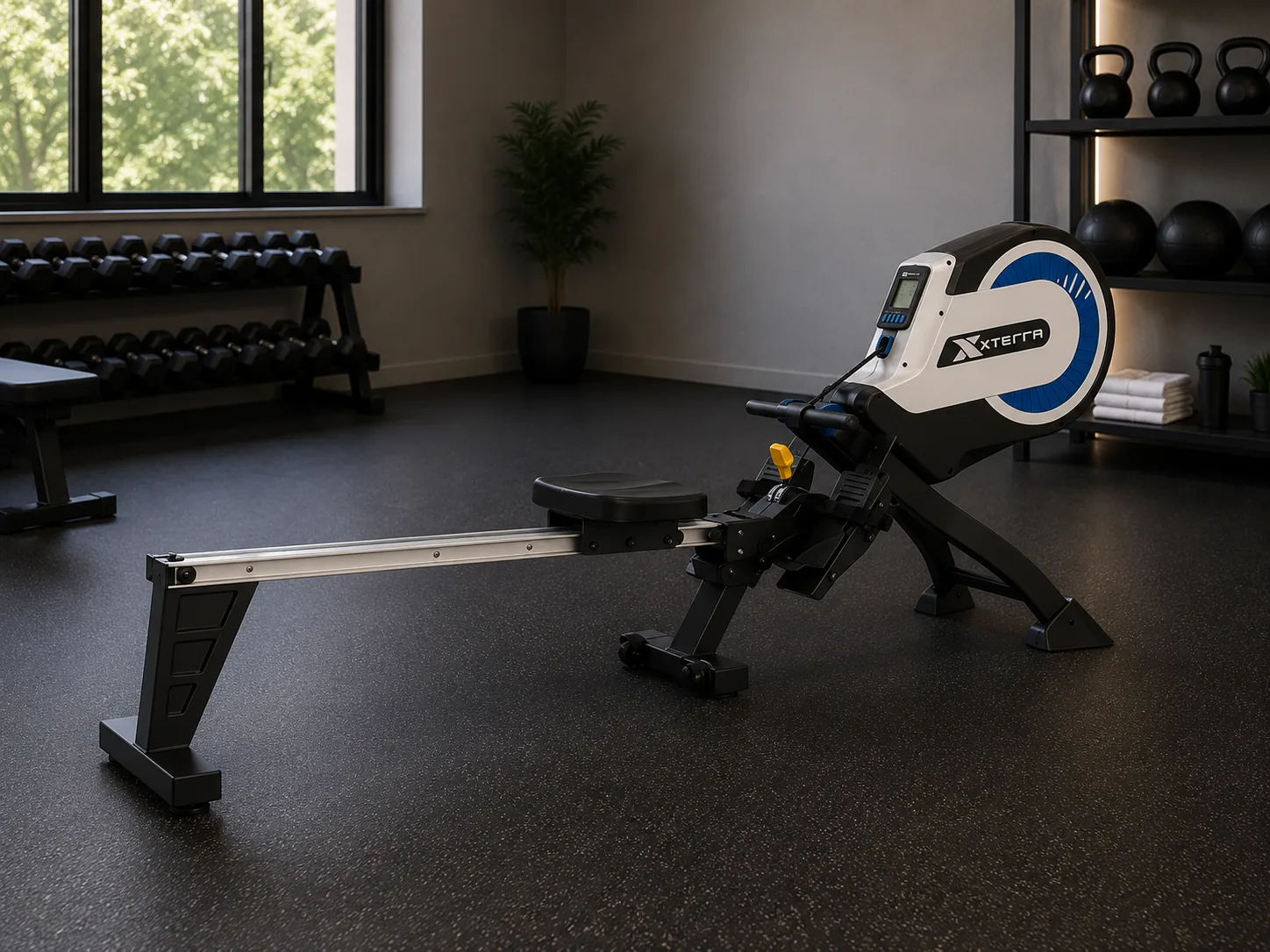
Xterra ERG500 Air Turbine Rower
Air rower · ~$499-$699
Best for: Beginner to intermediate home exercisers who want an affordable air rower for general fitness without caring about app connectivity.
On a tighter budget, the XTERRA ERG500 gets you into effort-scaling air resistance around $599 - the entry point for HIIT-style rowing below the Xebex and Concept2.
The build and console are more basic, but the fundamental air-rowing feel that makes intervals effective is there for less, making it a sensible starter for home HIIT.
Read our full Xterra ERG500 Air Turbine Rower reviewWhy air rowers rule CrossFit and HIIT
Air resistance is uniquely suited to interval training because it's driven entirely by your effort - sprint and the flywheel fights back instantly; ease off and it goes quiet. There's no preset level to fiddle with and no ceiling to hit, so a single machine works for everyone from a deconditioned beginner to an elite athlete, mid-workout, without adjustment. That responsiveness is exactly what HIIT needs.
The other reason boxes standardise on air rowers (and the Concept2 in particular) is data: accurate, comparable splits and watts let you program intervals precisely and score them fairly. Magnetic and water rowers can be used for intervals, but they don't match the instant responsiveness and benchmarkable data that make air the CrossFit standard. Keep the damper around 3-5 for most interval work - higher just loads your back without making you faster.
The bottom line
For CrossFit and HIIT, the Concept2 Model D is the standard and the smart default - instant resistance, accurate data, and a bombproof build. Want the most rugged, comfortable build? The Assault AirRower Elite. Best value? The Xebex. Higher seat? The Model E. Tighter budget? The XTERRA ERG500.
Stick with air resistance for serious interval work, keep the damper sensible (around 3-5), and focus on power per stroke over frantic rating - that's what makes rowing intervals pay off.
References
Frequently asked questions
- What is the best rowing machine for CrossFit?
- The Concept2 Model D - it's the competition and benchmark standard, with instant effort-scaling air resistance, accurate comparable data via the PM5, and a build that survives relentless use. The Assault AirRower Elite (rugged) and Xebex (value) are strong alternatives.
- Are air rowers better than magnetic for HIIT?
- Yes, for most people. Air resistance responds instantly to explosive effort and has no ceiling, so it suits the all-out intervals of HIIT and CrossFit. Magnetic rowers can be used but lack the same instant responsiveness and benchmarkable data that make air the standard.
- What damper setting is best for CrossFit rowing?
- Around 3-5 for most interval work. The damper controls airflow and feel, not difficulty - your effort sets the intensity. Cranking it to 10 just makes the stroke feel heavy and loads your back without making you faster.

Jordan Lockwood (BSc, CPT)
Certified personal trainer (CPT), sports-science graduate, and lifelong rower. Jordan writes and reviews every guide on Rowing Machine Nerd.