 Rowing Machine Nerd
The Most Common Rowing Machine Mistakes (and How to Fix Them)
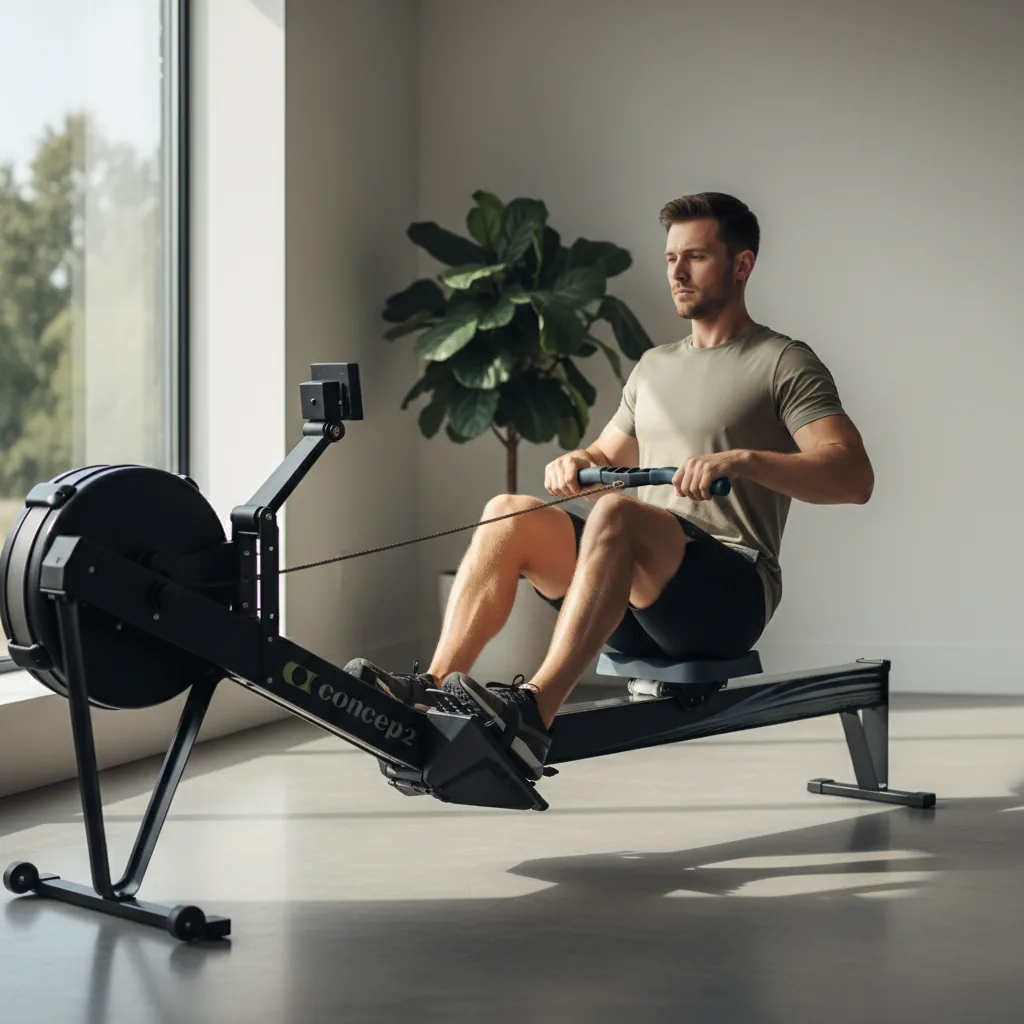
When I teach rowing, one of the first things I point out is that most beginners struggle with the same handful of mistakes. These errors don't mean you're doing it "wrong" - they're simply part of learning a new movement. The good news is that once you know what to look for, they're easy to fix.
Rowing is a technical exercise, and even small adjustments can make your stroke smoother, safer, and more efficient. In this guide, I'll walk through the mistakes I see most often on the rowing machine and show you simple ways to correct them. By focusing on these basics, you'll save yourself a lot of wasted effort and set a solid foundation for progress.
Mistake 1: Pulling Too Much with the Arms
One of the most common errors I see is treating the rowing machine like an upper-body exercise. Beginners often try to pull the handle using mostly their arms, but this quickly leads to fatigue and makes the stroke much less effective.
Why it happens
The movement feels like it should be an arm pull, especially if you're used to gym exercises like curls or rows. Without proper coaching, it's easy to forget that the legs are meant to do most of the work.
How to fix it
Think of the stroke as starting with the legs. Push firmly through your heels, keep your arms straight during the drive, and only bend your elbows once your legs are nearly extended. A helpful cue I use is: legs first, then core, then arms - the stroke order Concept2 recommends for an efficient, powerful drive.[1]
If you want to reinforce the habit, practice the legs-only drill - row by driving with your legs while holding your arms and torso still. This makes it clear how powerful the leg drive should feel.
Mistake 2: Rushing the Recovery
Another mistake I notice often is rushing back to the start of the stroke after the drive. Beginners tend to snap forward quickly, which throws off rhythm and wastes energy.
Why it happens
Rowing feels like it should be a fast, continuous movement. Without guidance, many people try to keep the same speed on both the drive and the recovery. The problem is that this doesn't give your body enough time to reset for the next stroke.
How to fix it
The drive should be powerful, but the recovery should be controlled. A simple way to think about it is drive fast, recover slow. Let the handle move forward smoothly, extend your arms first, hinge at the hips, and then slide the seat forward.
A good cue is to imagine a 2-to-1 rhythm: if the drive takes one second, the recovery should take about two. Practicing this slower return helps you stay in control and build endurance without tiring too quickly.
Mistake 3: Slouching or Rounding the Back
Poor posture is one of the fastest ways to limit progress on the rowing machine. Many beginners let their shoulders roll forward or their lower back round, especially during longer sessions. Over time, this can cause discomfort and increase the risk of injury.
Why it happens
Rowing can feel tiring on the core and back, and as fatigue sets in, it's natural to collapse forward. Sitting on the sliding seat also encourages some people to lean too far into the stroke, losing stability.
How to fix it
Focus on sitting tall with your chest open and shoulders relaxed. Engage your core to support your spine, and hinge from the hips rather than rounding through the lower back. Think about maintaining a straight line from your head to your hips throughout the stroke.
A helpful cue is to imagine a string pulling you tall from the crown of your head. Practicing the pick drill (arms-only, then arms and body, then adding legs) also reinforces correct posture at each stage of the stroke.
Mistake 4: Setting the Damper Too High
A common misunderstanding on the Concept2 and similar rowers is assuming that a higher damper setting means a better workout. Beginners often slide it all the way to 10, thinking it will burn more calories or build strength faster. In reality, this usually leads to poor technique and unnecessary strain.
Why it happens
The damper looks like a resistance control, similar to what you'd find on a bike or treadmill. Without knowing how it works, it's natural to assume "higher is harder, so it must be better."
How to fix it
The damper doesn't directly change resistance - it changes how much air flows into the flywheel. A higher setting makes it feel heavier at the start of the stroke, but it also slows the flywheel down between strokes. This demands more power and can easily break form.
For beginners, a damper setting of 3 to 5 is ideal. This mimics the feel of rowing on water and allows you to focus on technique, rhythm, and efficiency. As you build experience, you can experiment with settings, but mastering form always comes first.
Mistake 5: Overextending at the Catch
At the start of the stroke, many beginners slide too far forward, letting their knees come past their ankles or collapsing into the footplate. This position places unnecessary stress on the knees and lower back, and it makes it harder to drive powerfully with the legs.
Why it happens
The seat moves freely, and without awareness, it's easy to roll forward as far as possible. Many people assume that a deeper bend will give them a stronger stroke, when in fact it often reduces efficiency.
How to fix it
Aim for shins vertical at the catch. Your heels may lift slightly, but your knees should stay in line with your ankles. Keep your chest tall, hinge slightly forward from the hips, and avoid letting your back round.
A simple cue is to imagine you're sitting on the edge of a chair - ready but controlled, not collapsed forward. Practicing short pauses at the catch position can also help reinforce this posture.
Mistake 6: Gripping the Handle Too Tightly
Rowing should feel smooth and controlled, but beginners often hold the handle as if they're trying to hang on for dear life. This leads to forearm fatigue, blisters, and unnecessary tension in the shoulders.
Why it happens
The rowing handle feels like something you need to control firmly, especially when you're learning the movement. Many people instinctively clench their fists, which transfers tension into the arms and upper body.
How to fix it
Hold the handle lightly, letting it rest in your fingers rather than squeezing with your palms. Keep your wrists flat and relaxed, and avoid pulling the handle up toward your chest - it should move in a straight line to your lower ribs.
A useful cue is to think of the handle like a shopping bag: enough grip to carry it, but not so much that your hands are stiff. Over time, your grip strength will improve naturally, and rowing will feel far more comfortable.
Mistake 7: Rowing With Inconsistent Stroke Rate
Rowing is about rhythm as much as power, yet many beginners row at an erratic pace. Some rush through strokes with no control, while others go too slowly and lose momentum. An inconsistent stroke rate makes it hard to build endurance and disrupts the flow of the workout.
Why it happens
Without guidance, it's easy to confuse effort with speed. People assume that rowing faster will automatically deliver better results, but this often leads to short, choppy strokes that waste energy.
How to fix it
Aim for a stroke rate (SPM) of around 22-26 strokes per minute for steady rowing. For interval training, you can increase it slightly, but the priority should always be on keeping strokes long, smooth, and consistent.
A helpful cue is to follow the 2-to-1 rhythm: spend one beat on the drive and two beats on the recovery. This creates a balanced flow and allows you to sustain your workout without burning out.
Building Better Habits
Correcting mistakes on the rowing machine isn't about chasing perfection - it's about building small habits that make your workouts smoother, safer, and more effective. Focus on posture, rhythm, and using the right sequence of legs, core, and arms.
Include short technique drills at the start of your sessions, keep your damper setting moderate, and remind yourself that efficiency matters more than brute force. When you're ready to train, our interval workout builder lets you put these habits into a structured session. Over time, these habits will become second nature, and rowing will feel more natural with every stroke.
The more attention you give to technique in the beginning, the faster you'll progress and the more rewarding your training will be.
References

Jordan Lockwood (BSc, CPT)
Certified personal trainer (CPT), sports-science graduate, and lifelong rower. Jordan writes and reviews every guide on Rowing Machine Nerd.